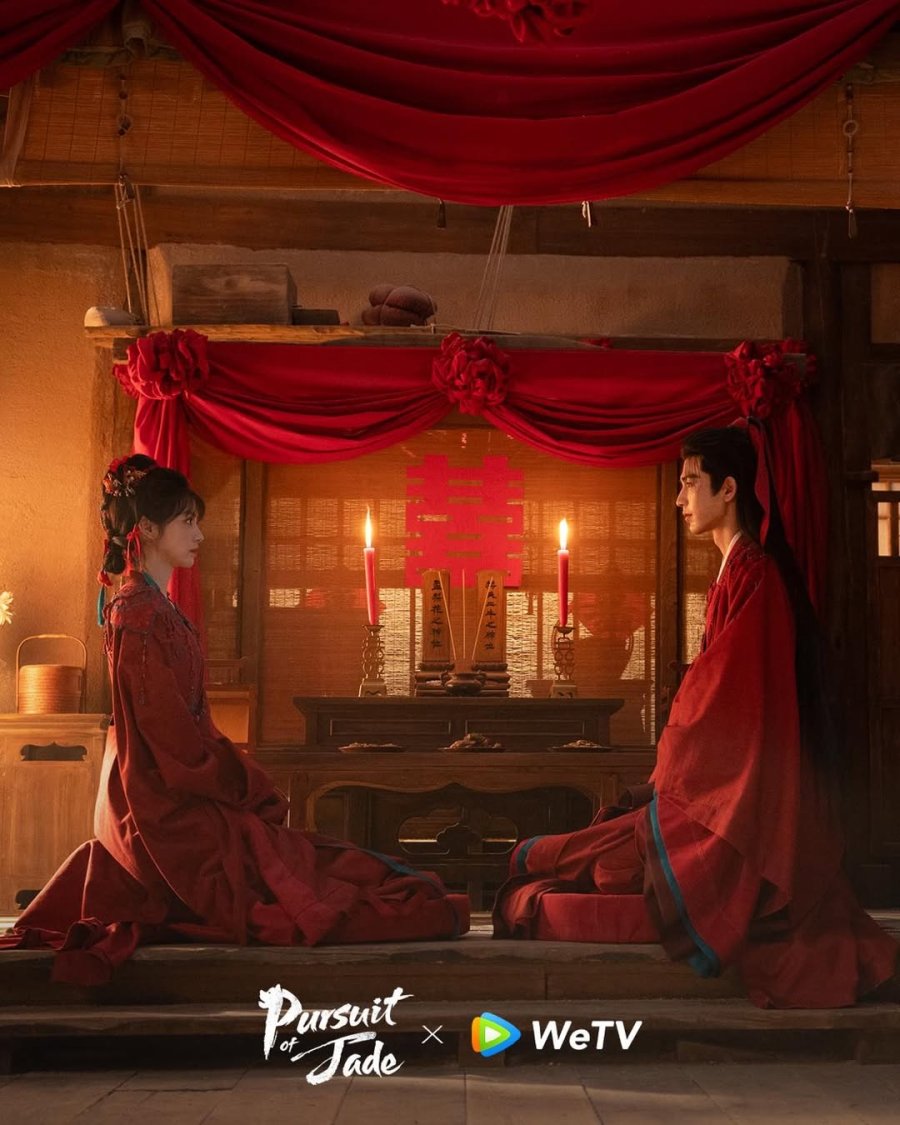
| GENRE: Historical, Romance, Action, Drama, Comedy | CAST: Zhang Linghe, Tian Xiwei, Deng Kai, Kong Xiwei | NO. OF EPISODES: 40 |
| WHERE TO WATCH: iQIYI, WeTV, Netflix | MYDRAMALIST: https://mydramalist.com/760409-zhu-yu | THE DRAMA DOJO RATING: ★★★★☆ |
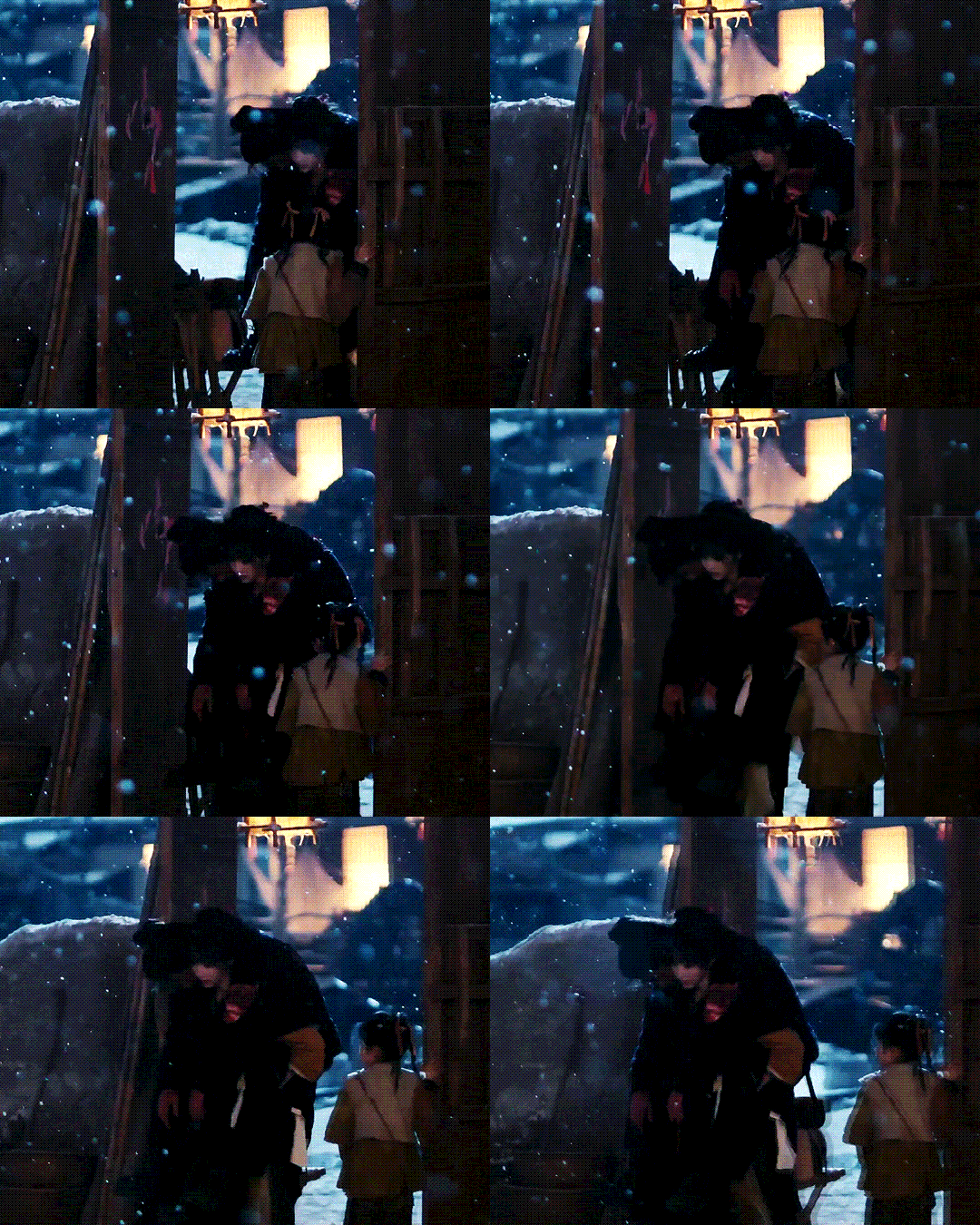
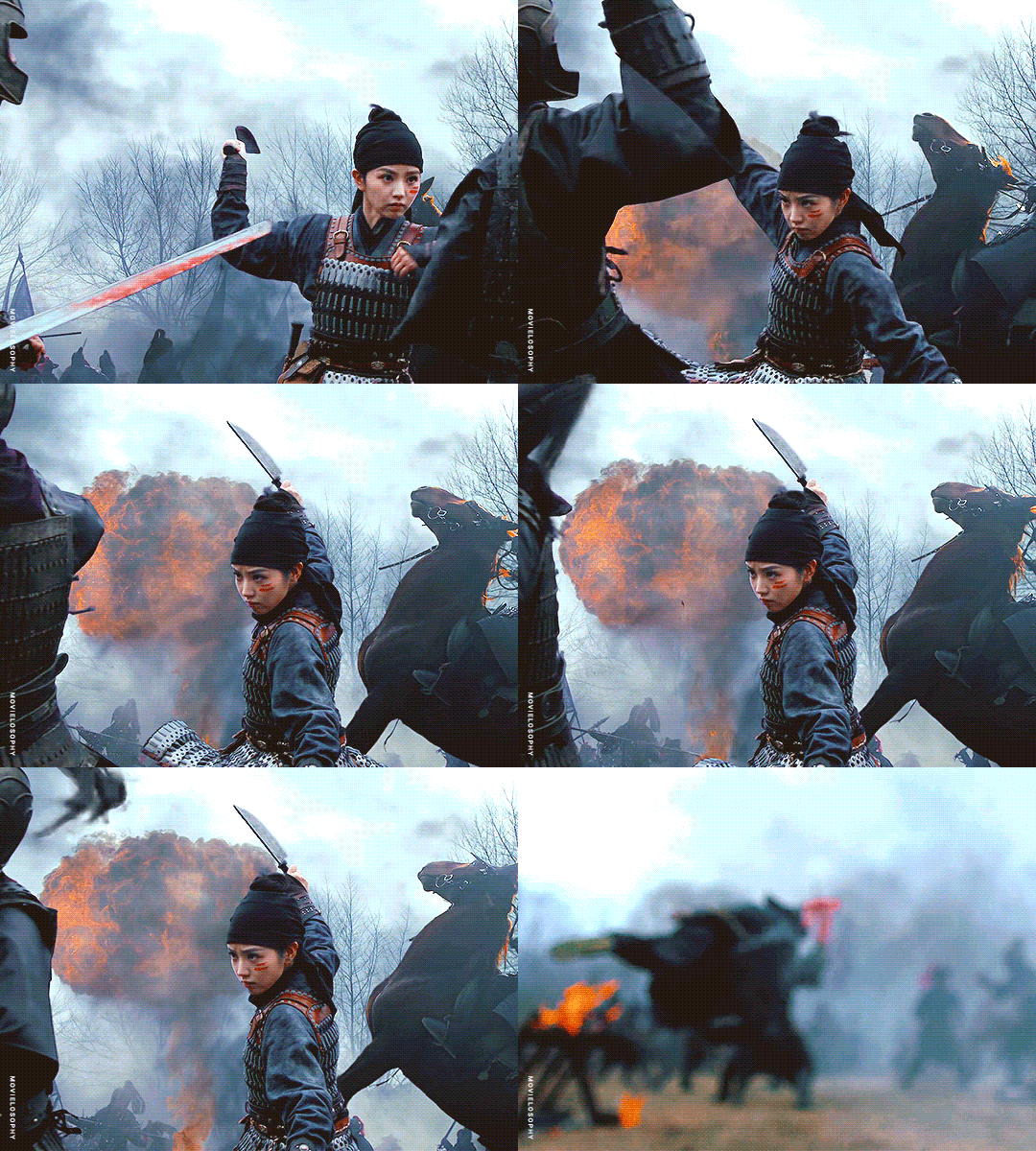
If your social media feeds have been flooded this past month with clips of a fierce young woman hauling a half-frozen stranger out of a snowdrift — and then proceeding to out-soldier half an army by the finale — you already know about the C-drama Pursuit of Jade or Chasing Jade (逐玉, Zhu Yu). One of the undisputed C-drama hits of early 2026, this 40-episode historical romance shattered records on both iQIYI and Tencent Video and has drawn a global audience through its Netflix simulcast. The buzz was so intense that the complete 40-episode source files were leaked before the finale even aired, prompting an emergency official statement.
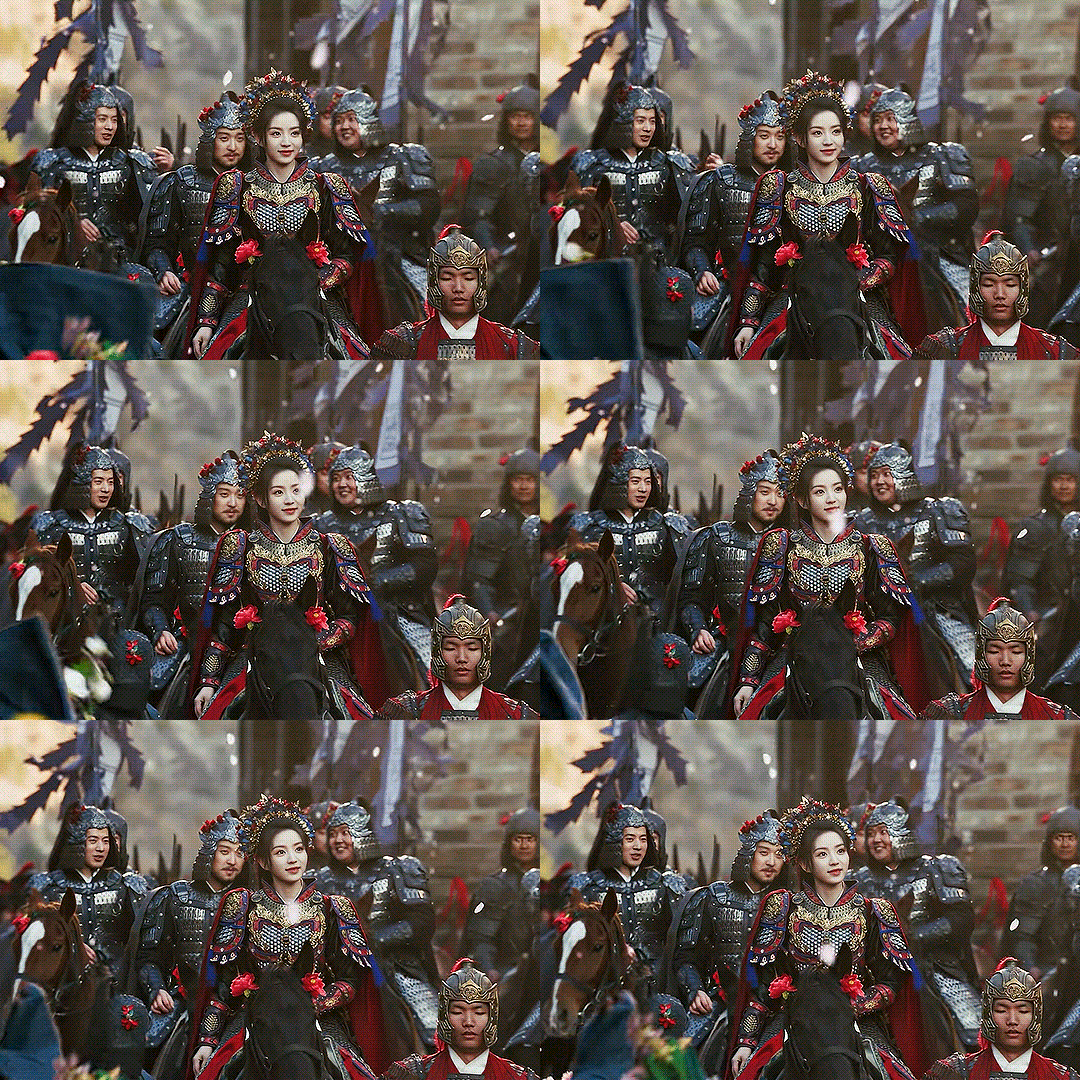
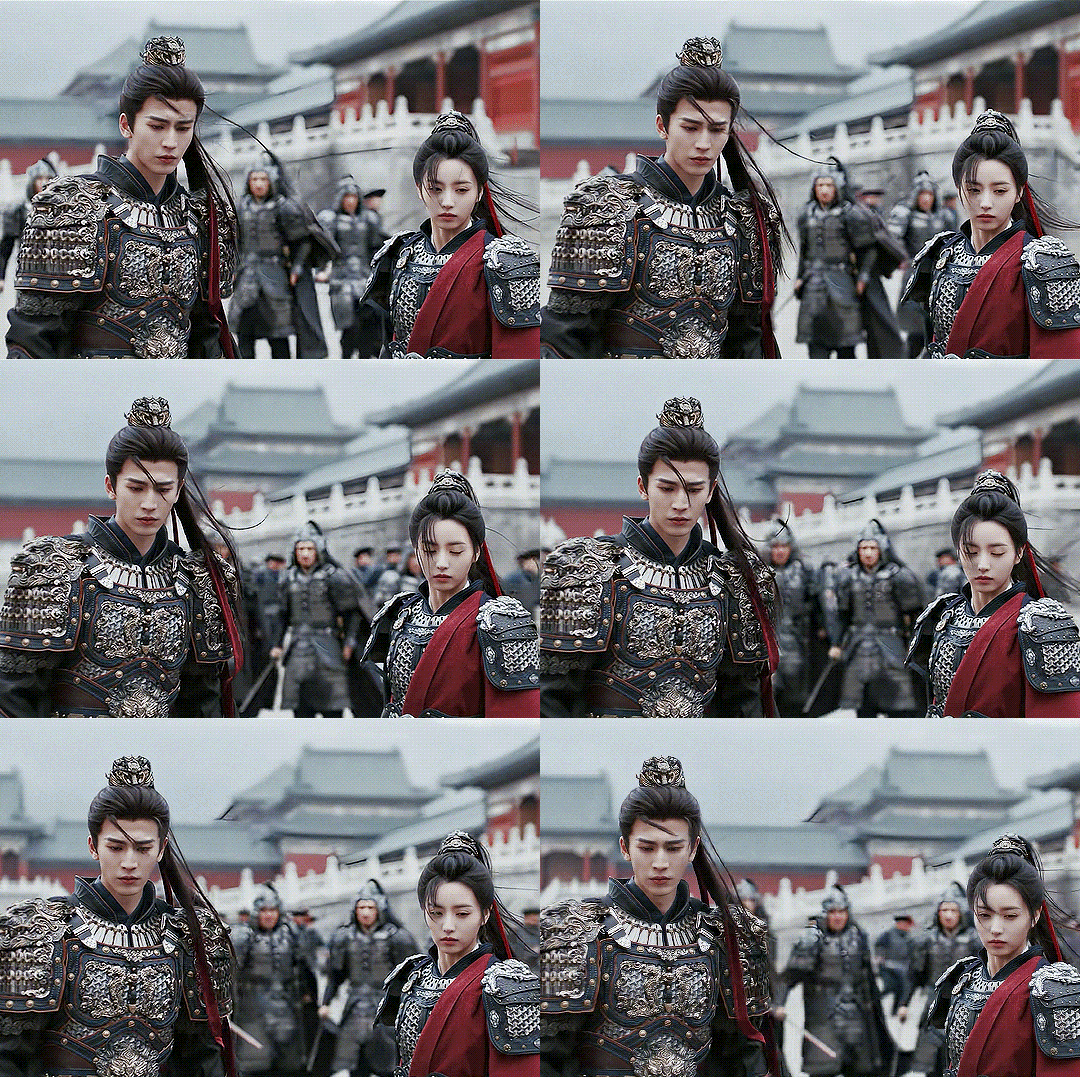
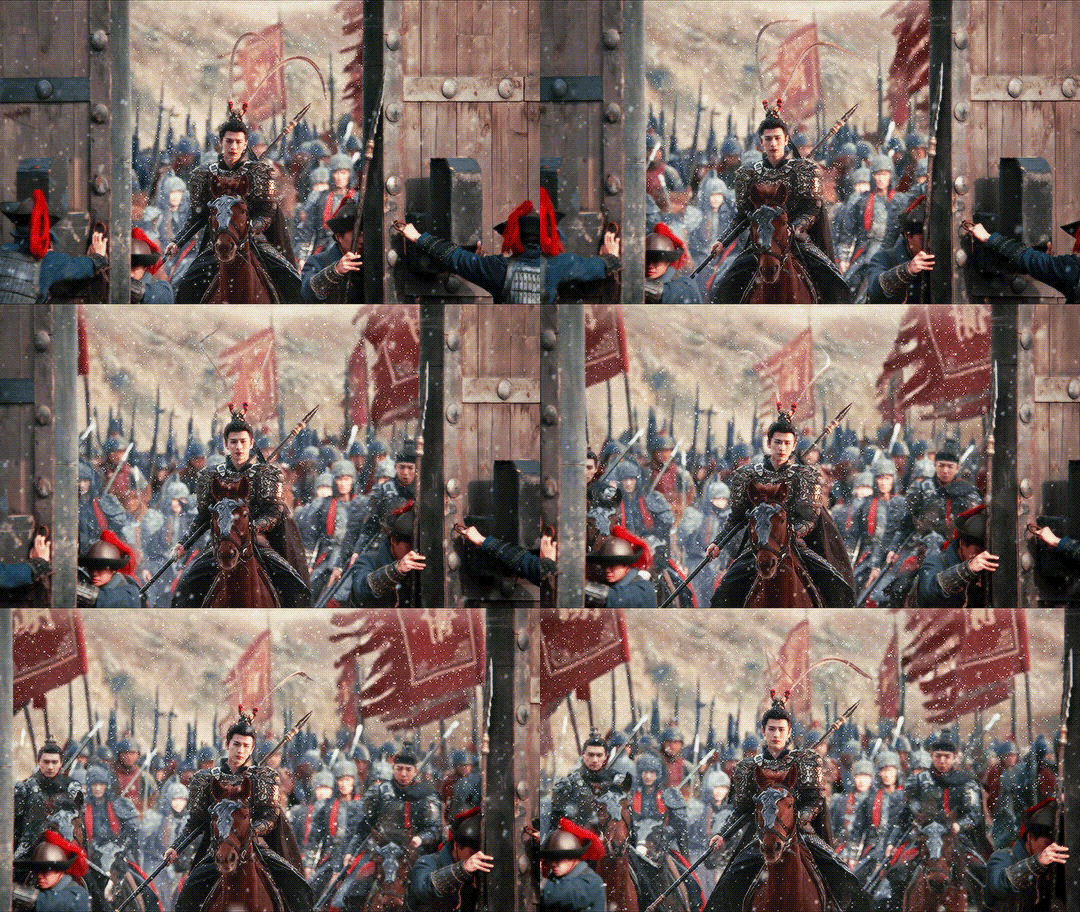
But beyond the headlines and the heat scores, Pursuit of Jade is simply very, very good production. It is a love story that earns its romance. A war drama that doesn’t sanitise its grief. And it is one of those rare dramas that you want to binge and rewatch a few more times immediately. So, Let’s talk about it.
Pursuit of Jade Plot: A Fake Marriage, a Hidden Marquis, and a Butcher’s Daughter
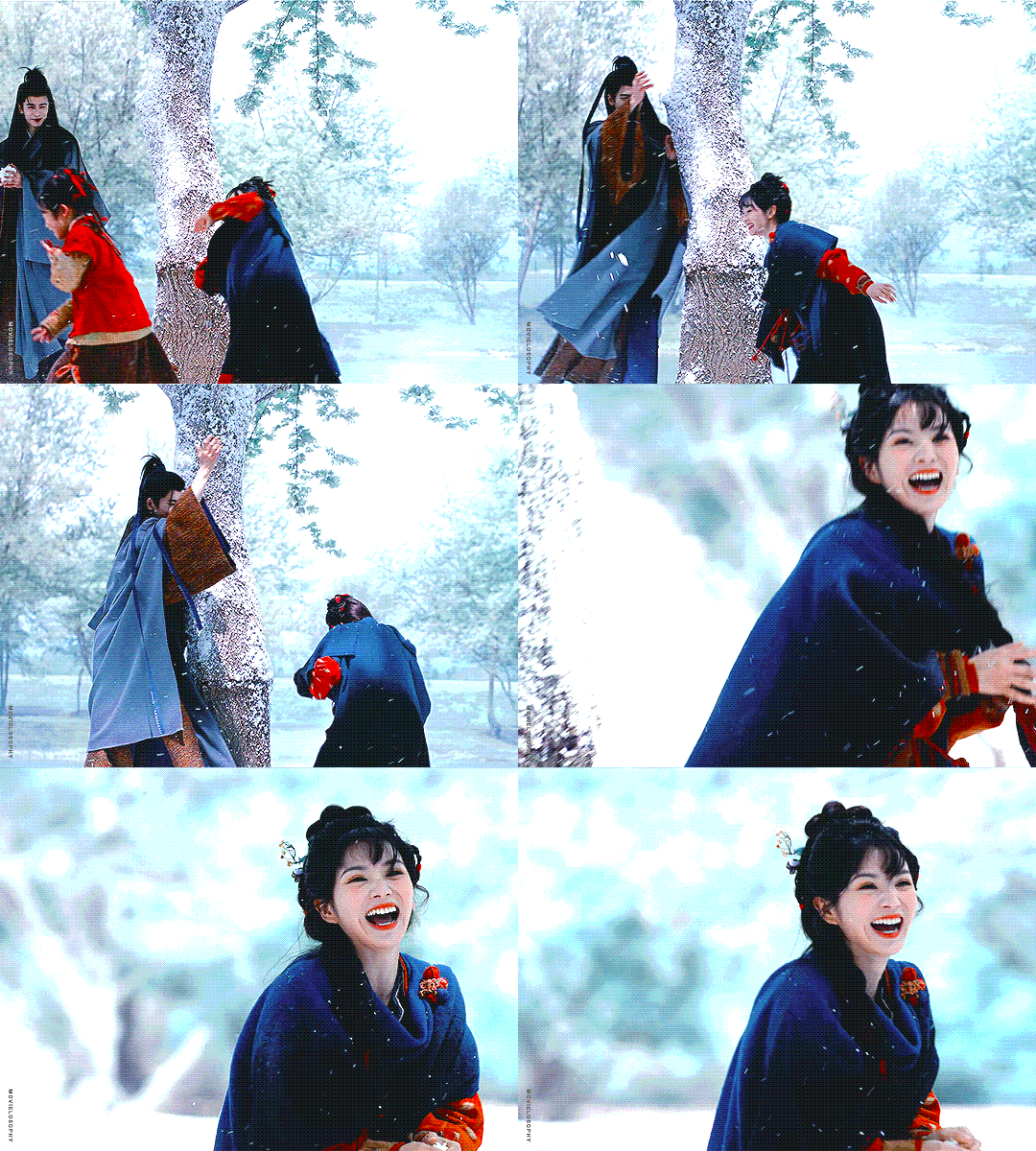
The drama opens in the freezing countryside of the fictional Dayin dynasty, adapted from Tuan Zi Lai Xi’s (团子来袭) beloved web novel of the same name. Fan Changyu (Tian Xiwei) is a butcher’s daughter, orphaned when bandits killed her parents, left to run the family shop and raise her little sister. She is strong, blunt, and entirely unconcerned with what the neighbours think of her. One day, while returning from work, she trips over a man buried under the snow; decides to save him and drags him home.
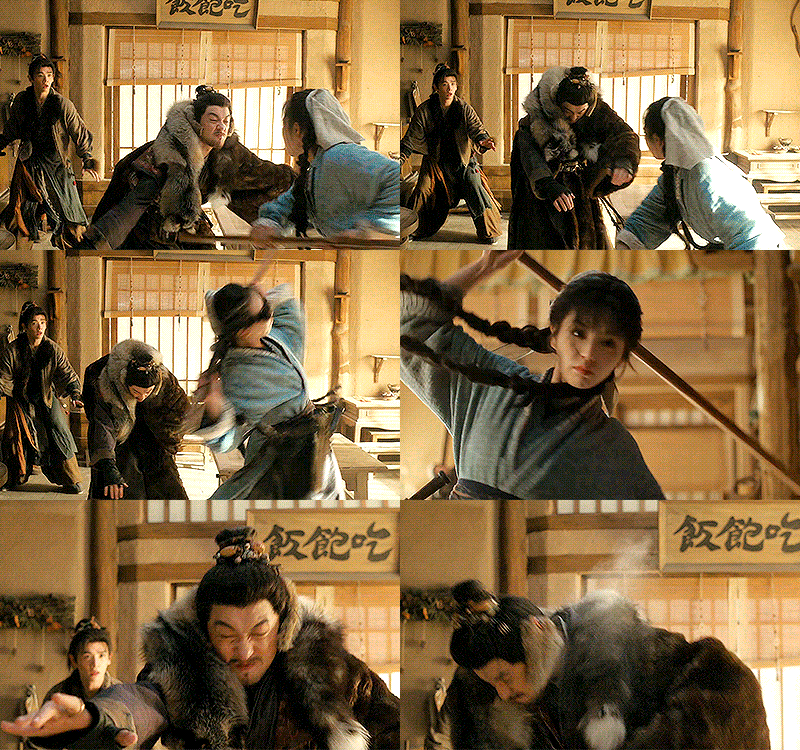
The man is Xie Zheng (Zhang Linghe), the Marquis of Wu’an—though he introduces himself under the assumed name “Yan Zheng.” He has quietly built a military reputation over the years, but he ends up being rescued by Changyu after an assassination attempt. Now, he needs a cover and Changyu needs a husband to fend off relatives trying to seize her home. A deal is struck.
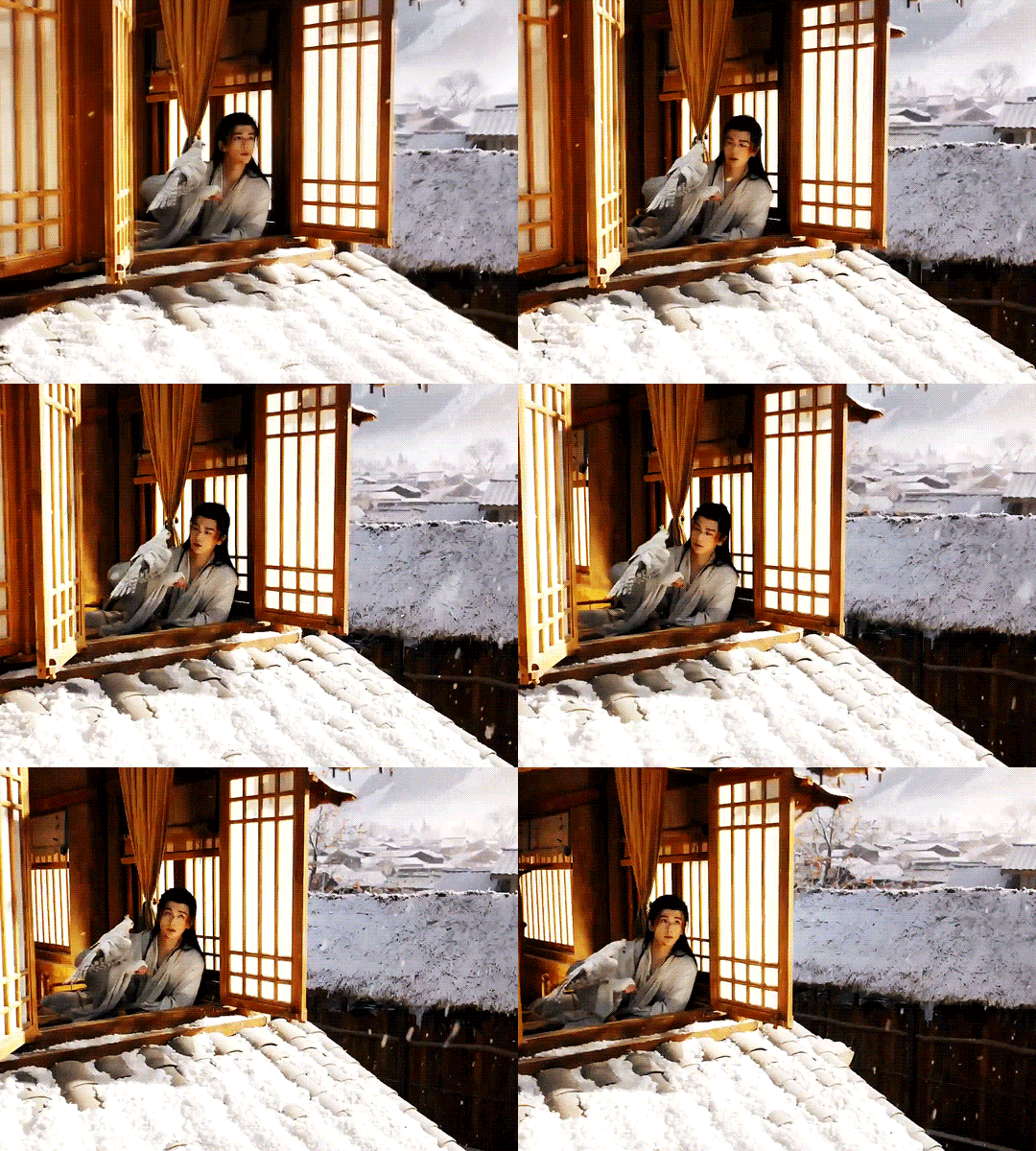
Episodes 1–12 give us the Lin’an village arc: domestic bliss laced with creeping danger, fake marriage blossoming into genuine feeling, and two people slowly learning to trust again. It is, by wide consensus, the finest stretch of the drama. It is character-driven, warm, and unhurried in the best possible way. Episodes 13–25 bring secrets to light, separation, and the full weight of court conspiracy. Episodes 26–40 take us to war, leads avenging their families, our female lead fully taking charge of her new found identity and tying up all the loose ends.
Watch it for
A fake marriage that becomes real before either character admits it, a heroine who brings a butcher’s knife to a battlefield and makes it work, and a love story built on mutual protection rather than grand declarations.
Zhang Linghe and Tian Xiwei: A Pairing That Actually Delivers
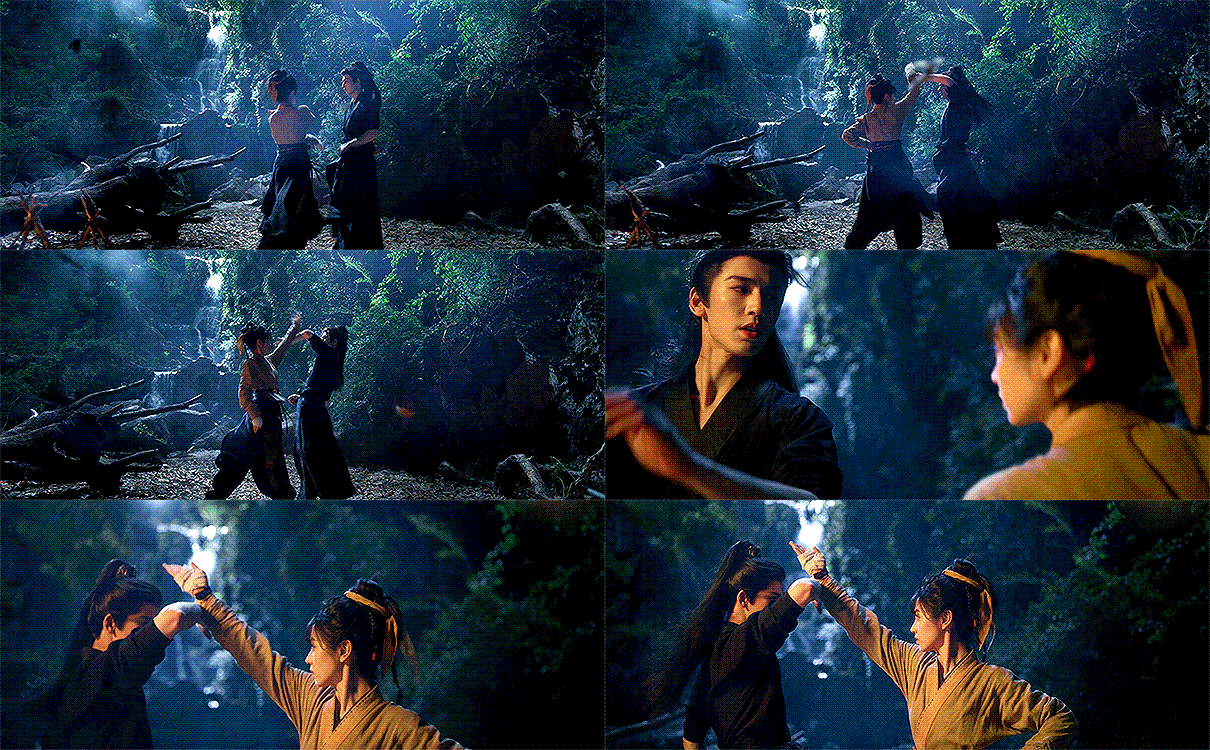
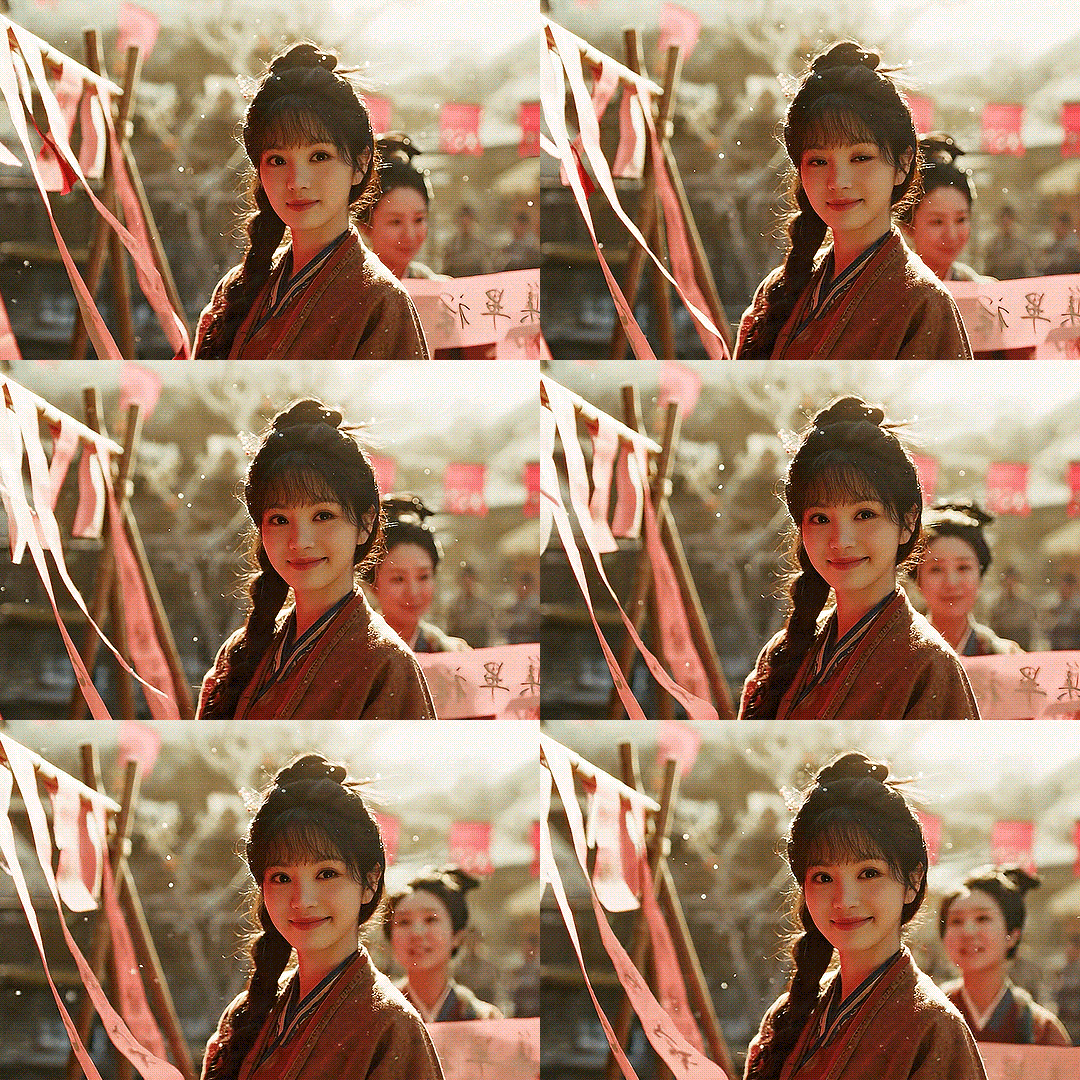
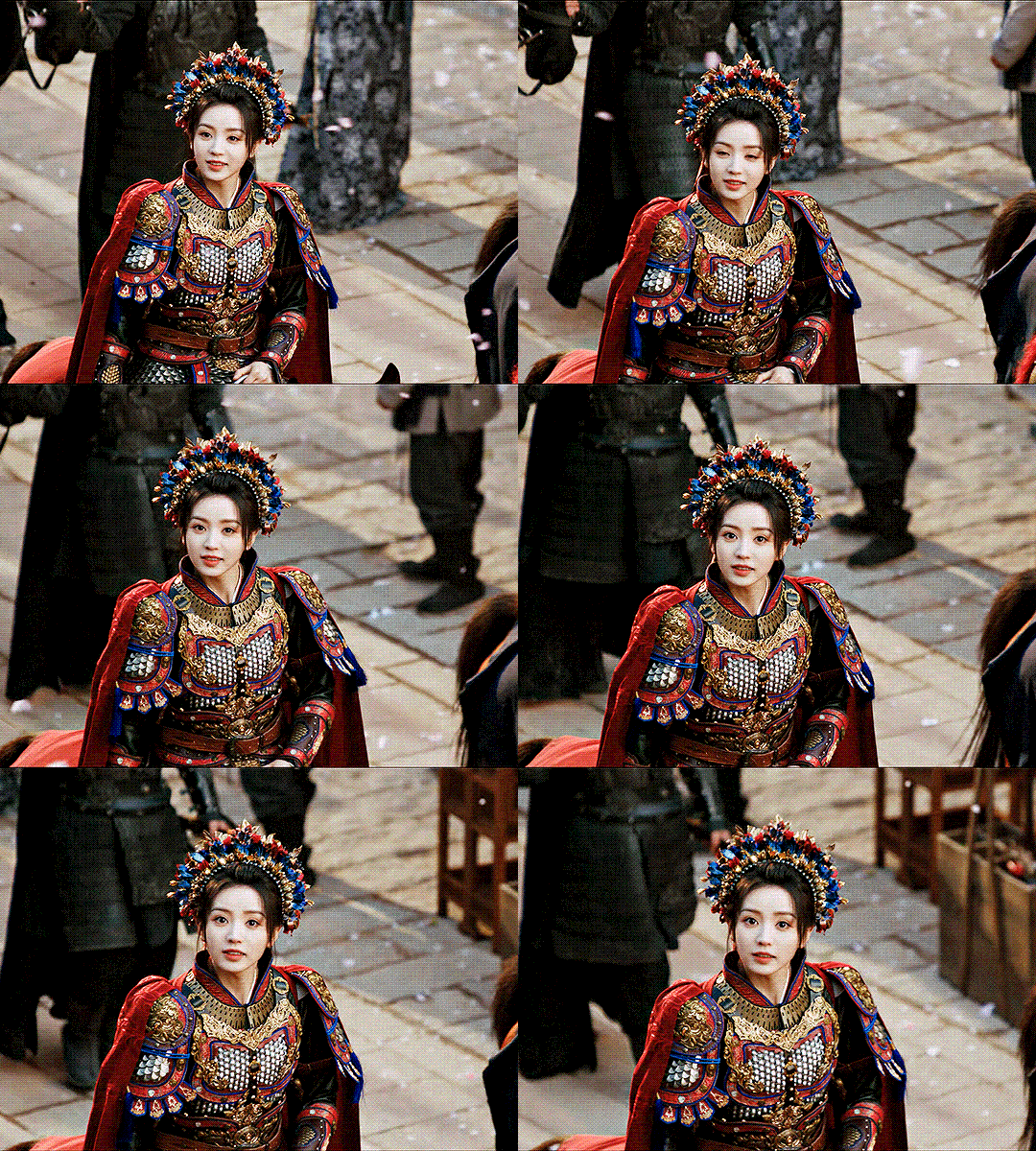
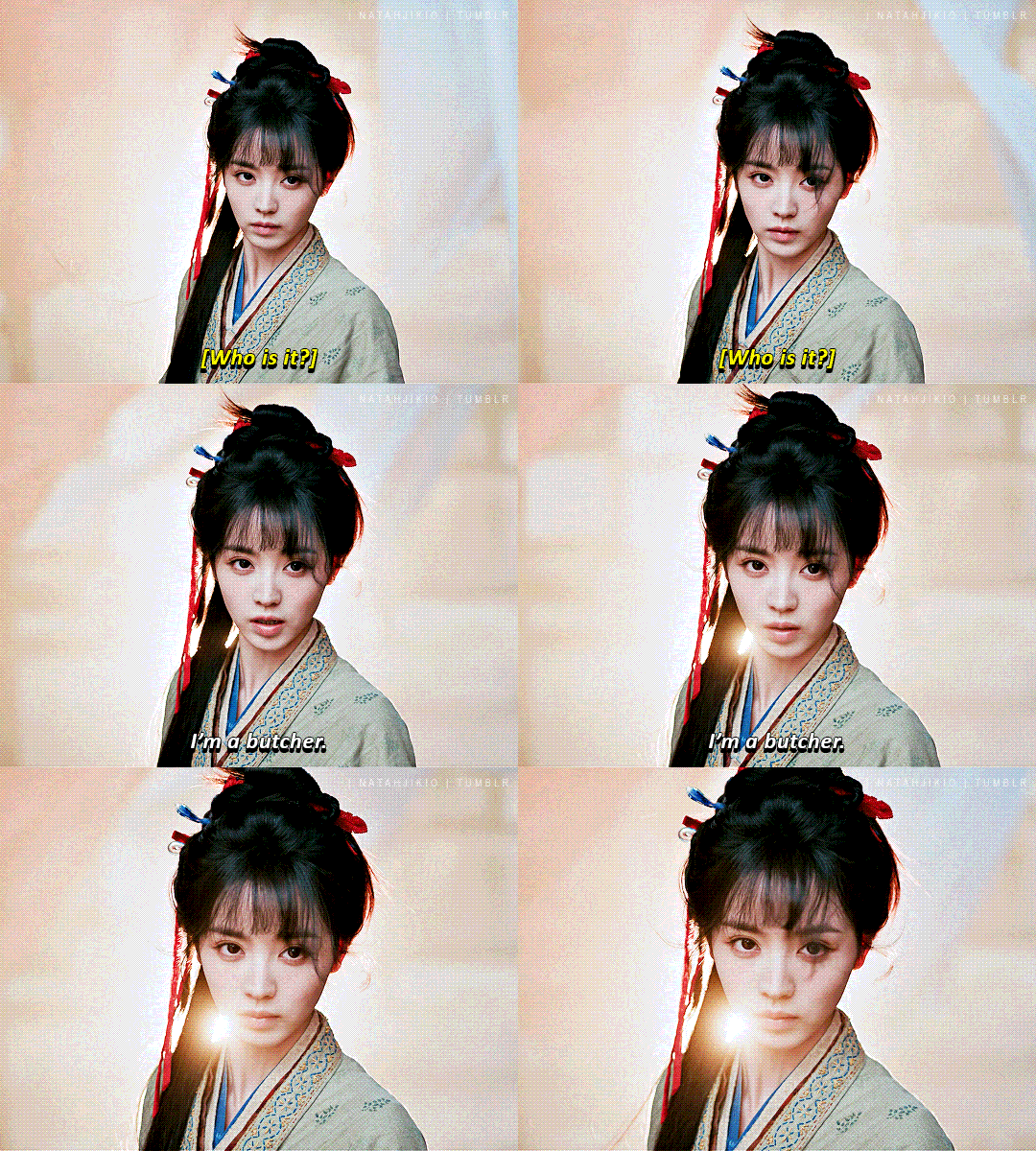
Tian Xiwei is the heartbeat of this drama. Known for her sweeter roles. Fan Changyu is physically strong, emotionally resilient, and magnificently unfiltered. She is the kind of female lead who doesn’t wait to be rescued. She assembles a plan, picks up a weapon, and goes. Tian Xiwei carries this with absolute conviction: whether she’s wielding a cleaver in the butcher shop, navigating the brutalities of war, or simply sitting across a dinner table from a man she is slowly, helplessly falling for, every moment registers.
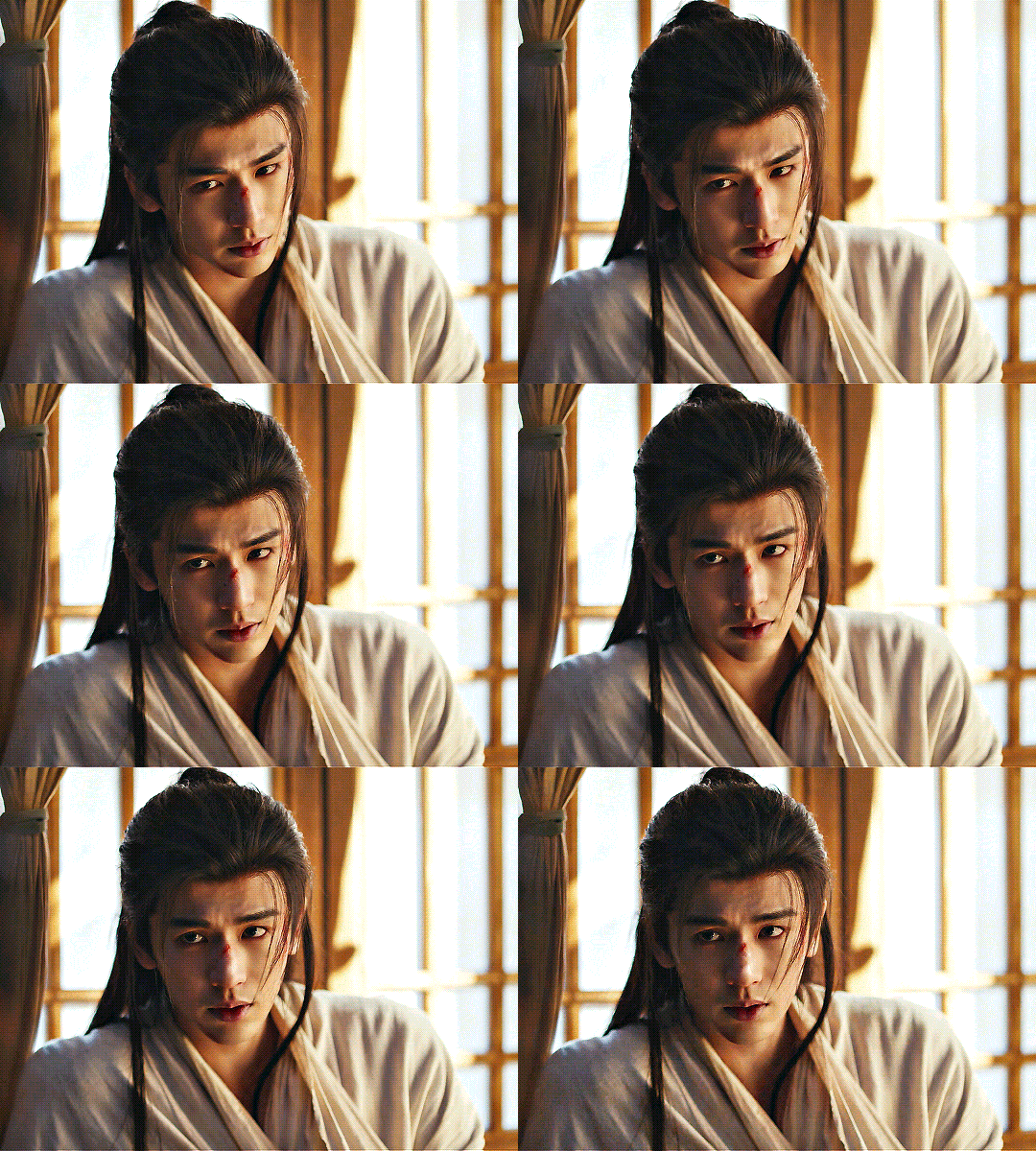
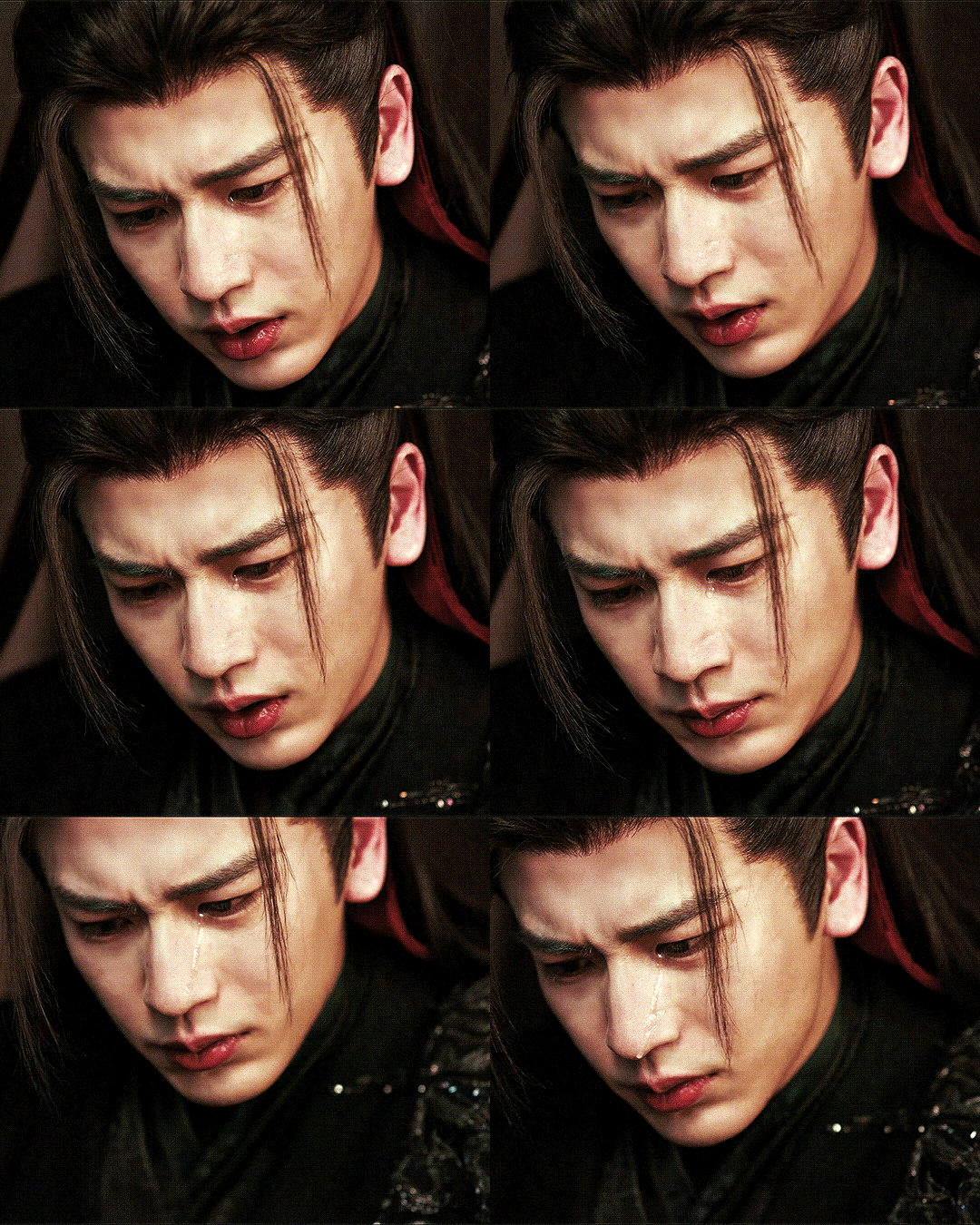
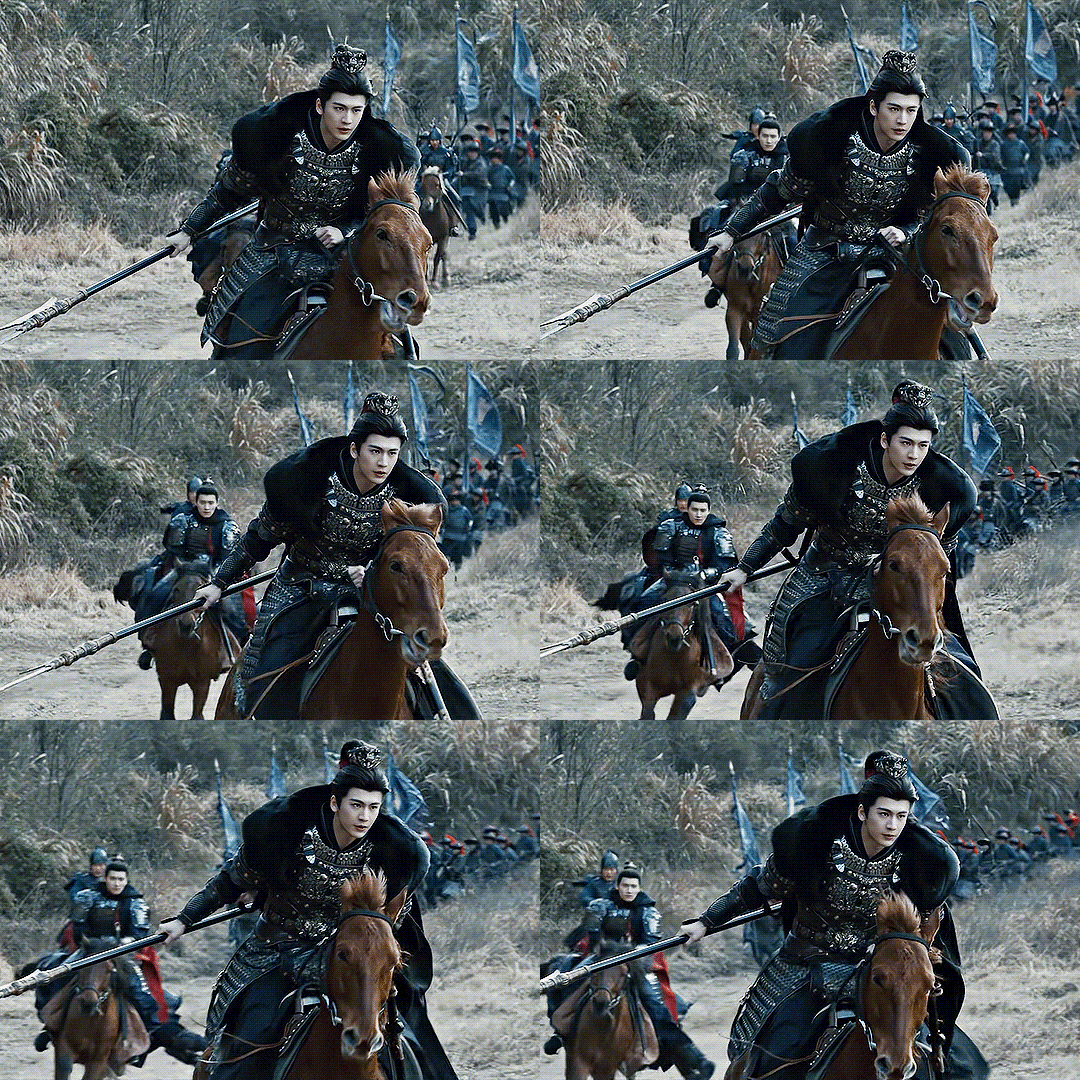
Zhang Linghe brings Xie Zheng’s layered pain and quiet intensity to life with considerable restraint. This is not the loudest performance—Xie Zheng is a man who has learned to keep everything inside, stillness is part of his character. He is a man who has held grief for seventeen years, who does not know how to let someone in, and who is quietly, almost involuntarily, being undone by the woman he married for convenience. Around Changyu, the mask slips, and those moments are genuinely moving.
The chemistry between the two is one of the best asset of this drama. It is the slow-burn kind, the yearning kind, built from glances held a beat too long, from small gestures of protection that mean more than any declaration. The Lin’an arc in particular is full of moments that made fans post that they were “not okay.” And the later romantic sequences, once they finally close the distance, are reportedly intense enough that several scenes reportedly did not survive the final cut.
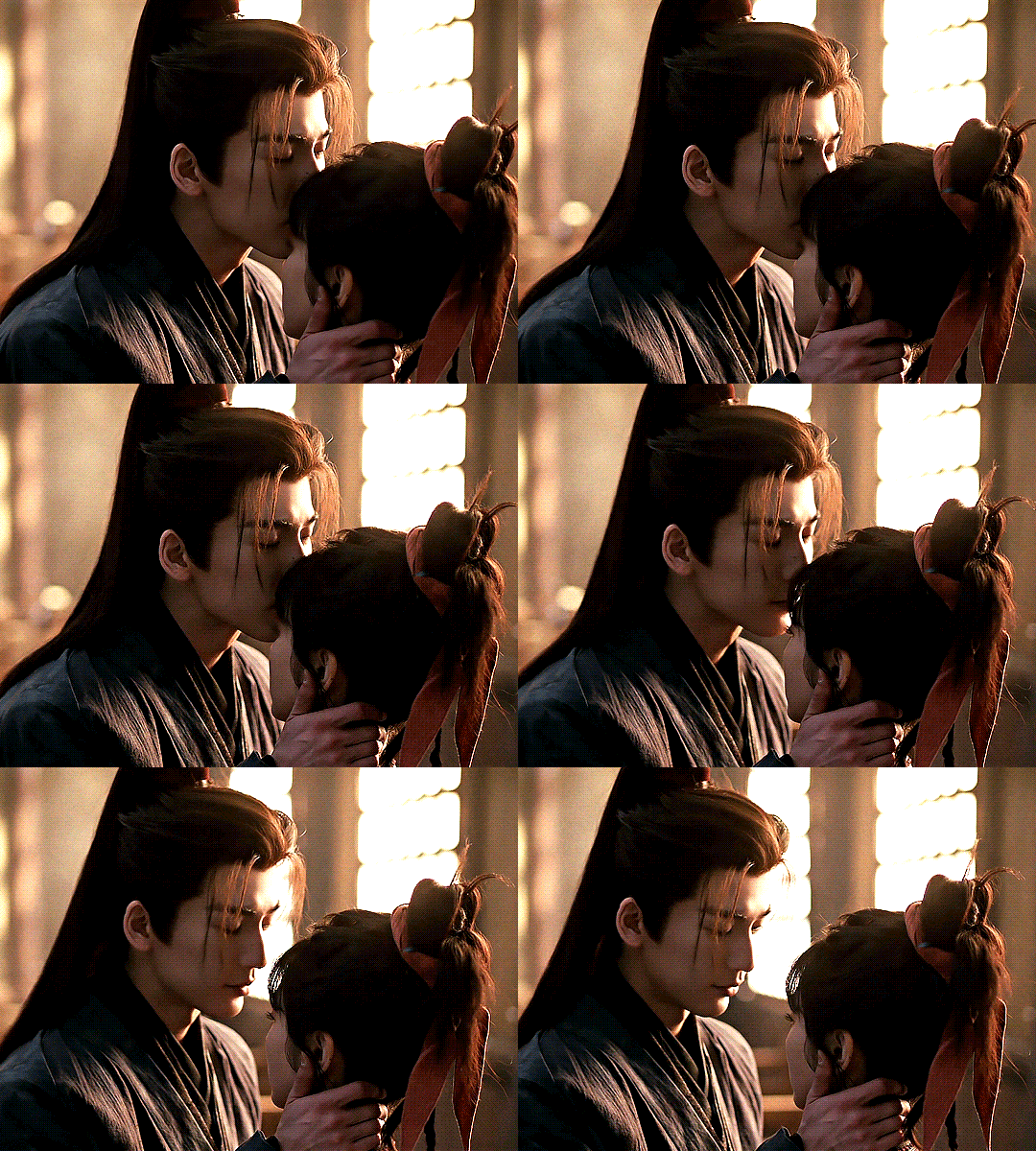
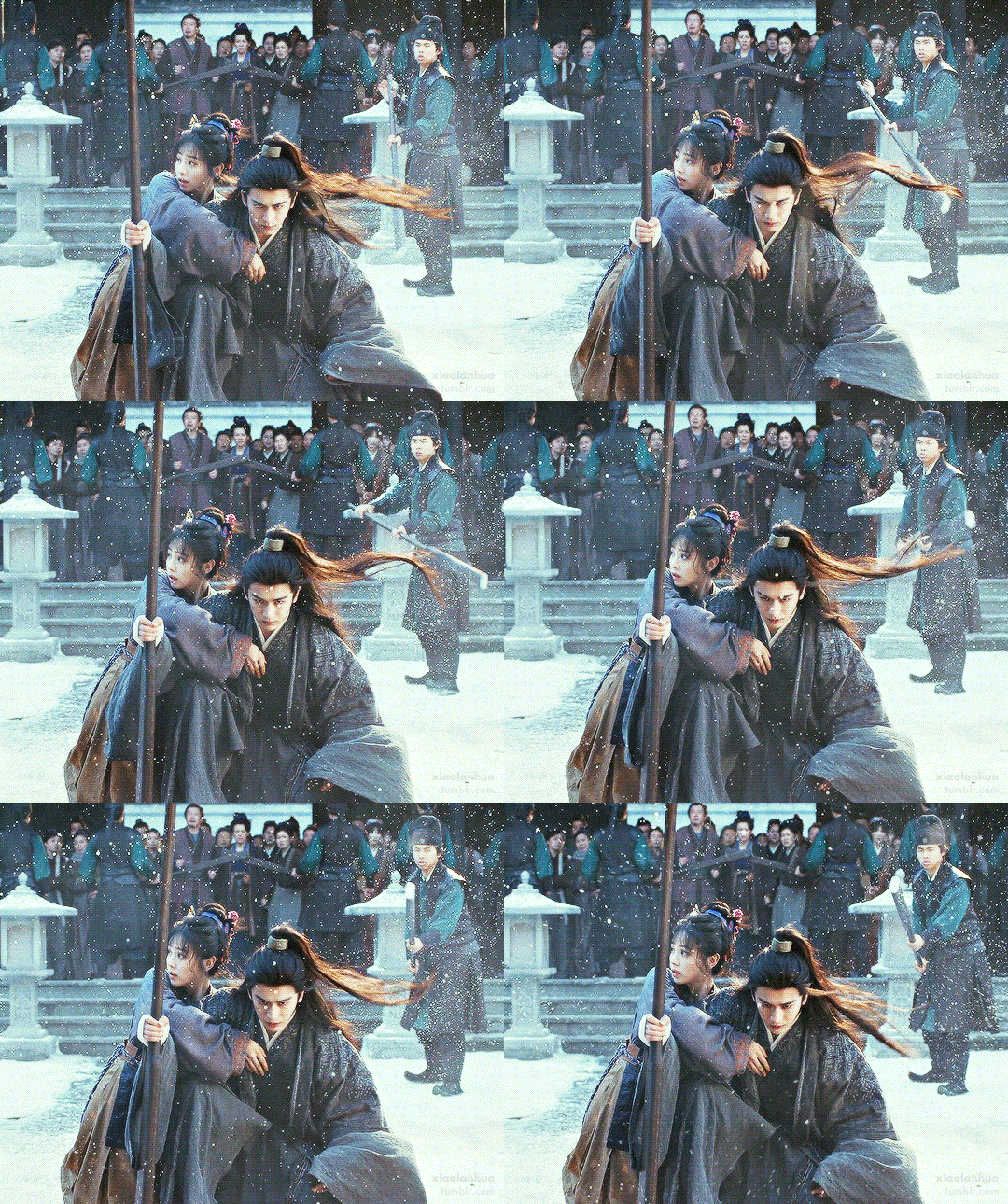
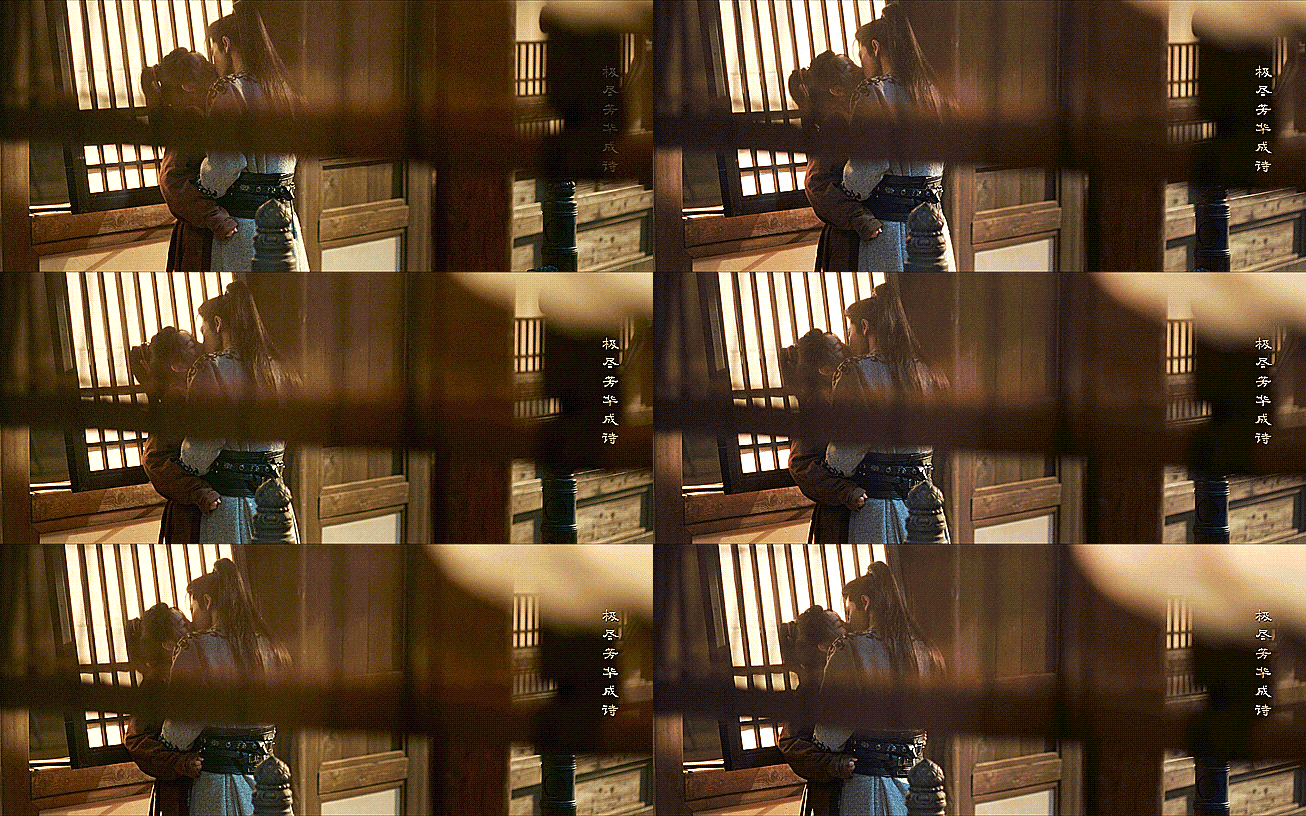
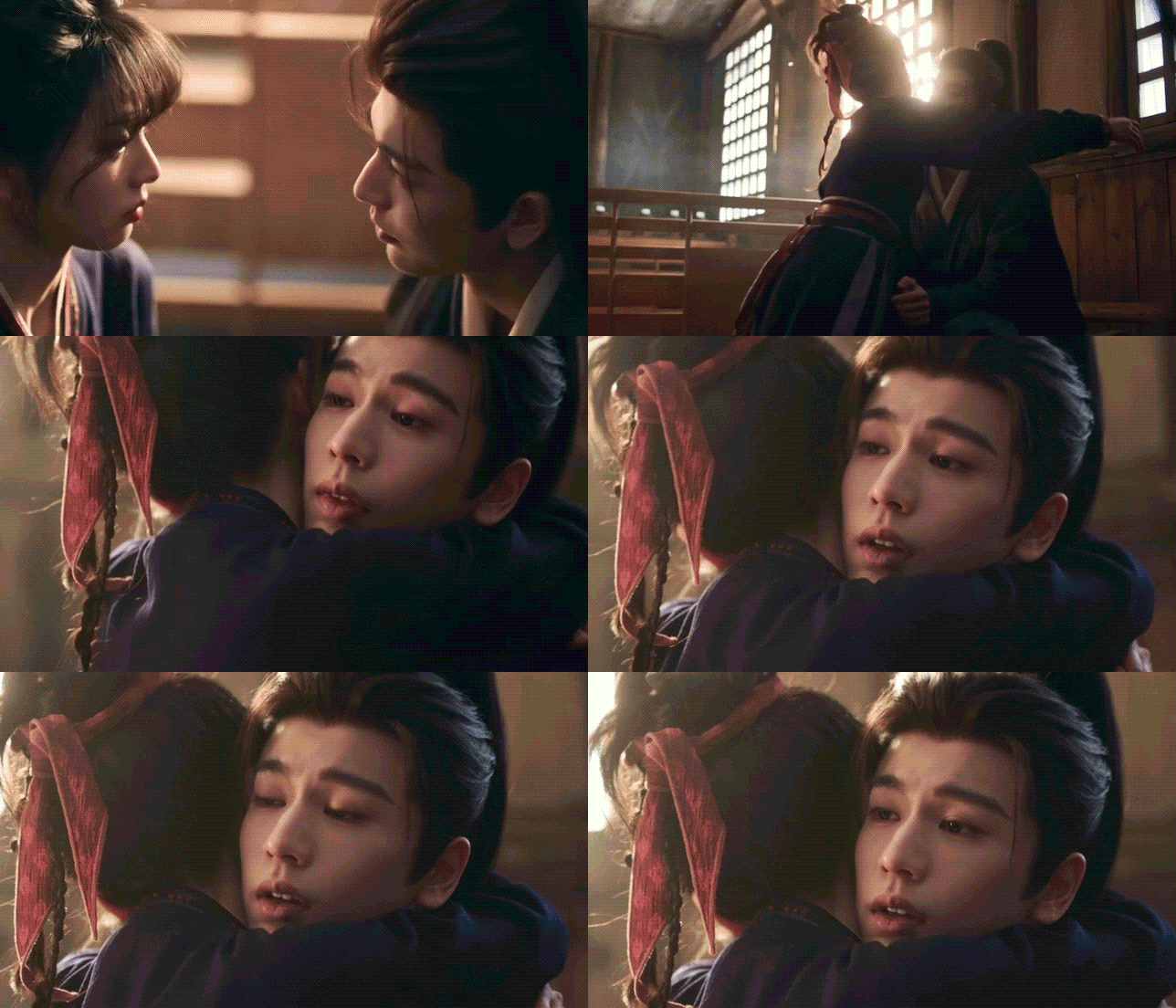
Female Characters in Pursuit of Jade: Why the Writing Stands Out
Let’s give this its own space, because it deserves it. What makes Pursuit of Jade genuinely exciting is that its commitment to female strength doesn’t begin and end with Fan Changyu. It runs through the entire drama like a current.
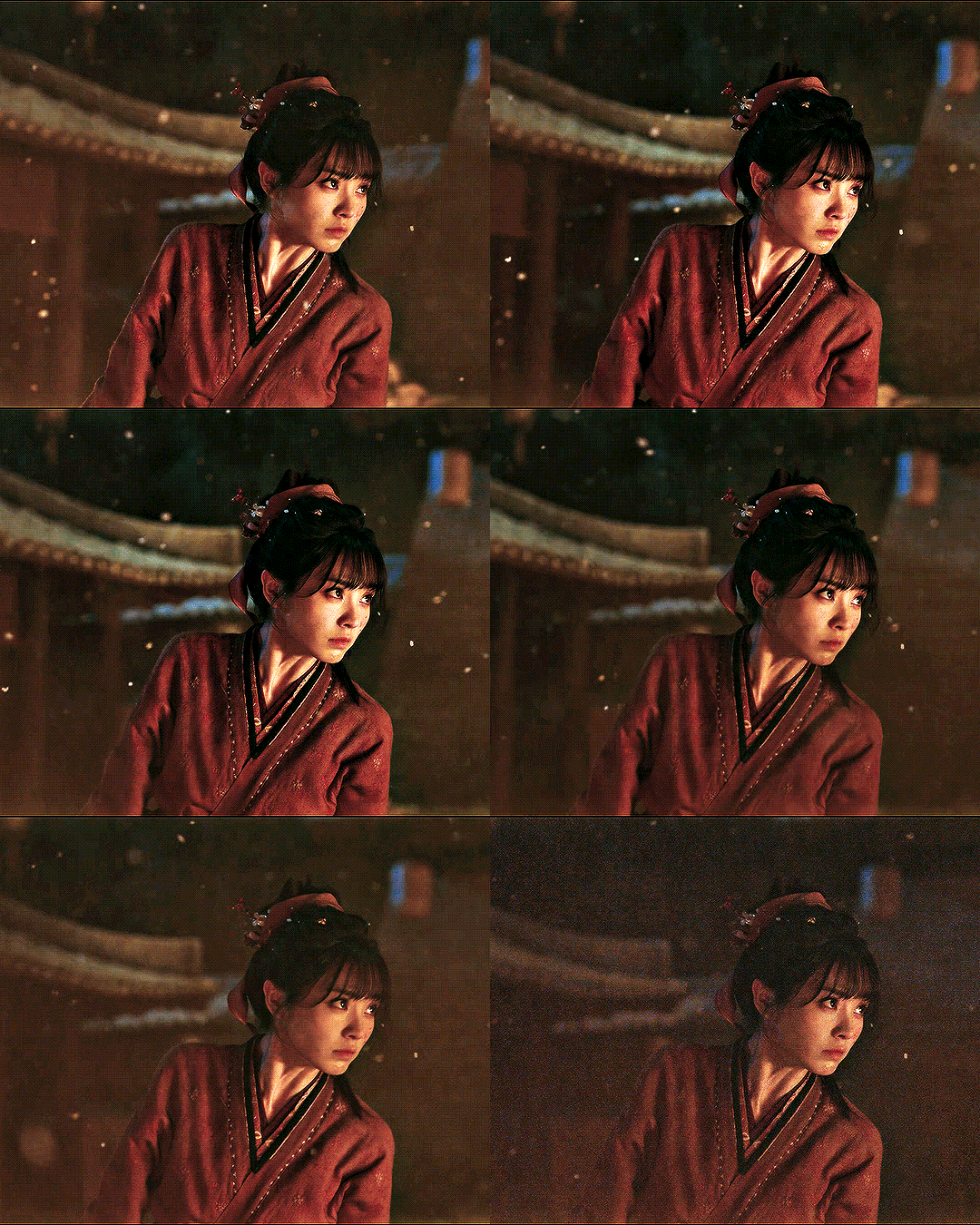
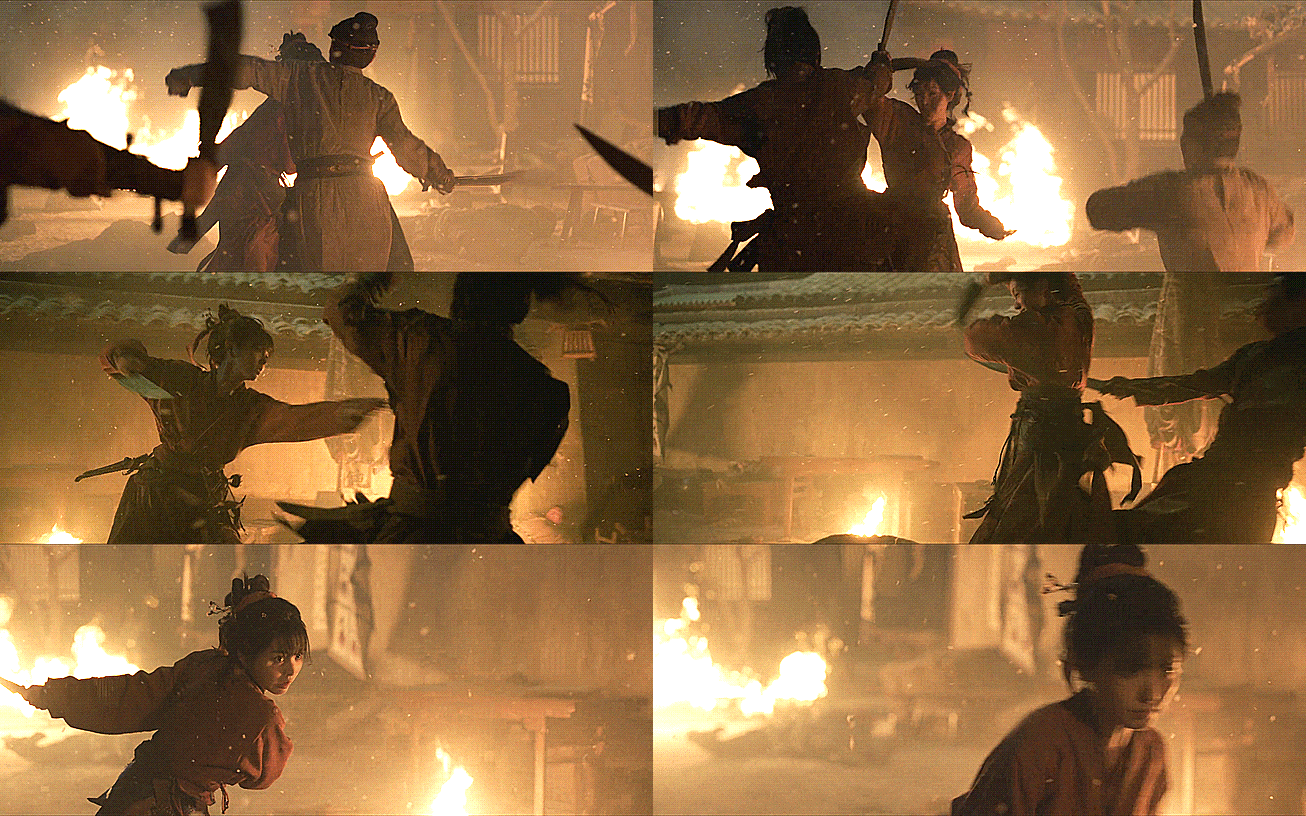
Fan Changyu herself begins the story with what the drama frames as a “double stigma”: she is an orphan, and she is a butcher—a profession considered lowly and unfeminine, one that she refuses to be ashamed of. She runs the shop, does the slaughtering, manages the accounts, and raises her sister. Changyu does not fit the social script, and the story does not ask her to. What stood out to me is how if Changyu represents raw, unyielding strength, other women are also given her own distinct defining trait. It’s refreshing to see female characters portrayed this way—uplifting and layered, when they could have easily been written as helpless figures, war casualties, or mere pawns in a larger game of strategy.
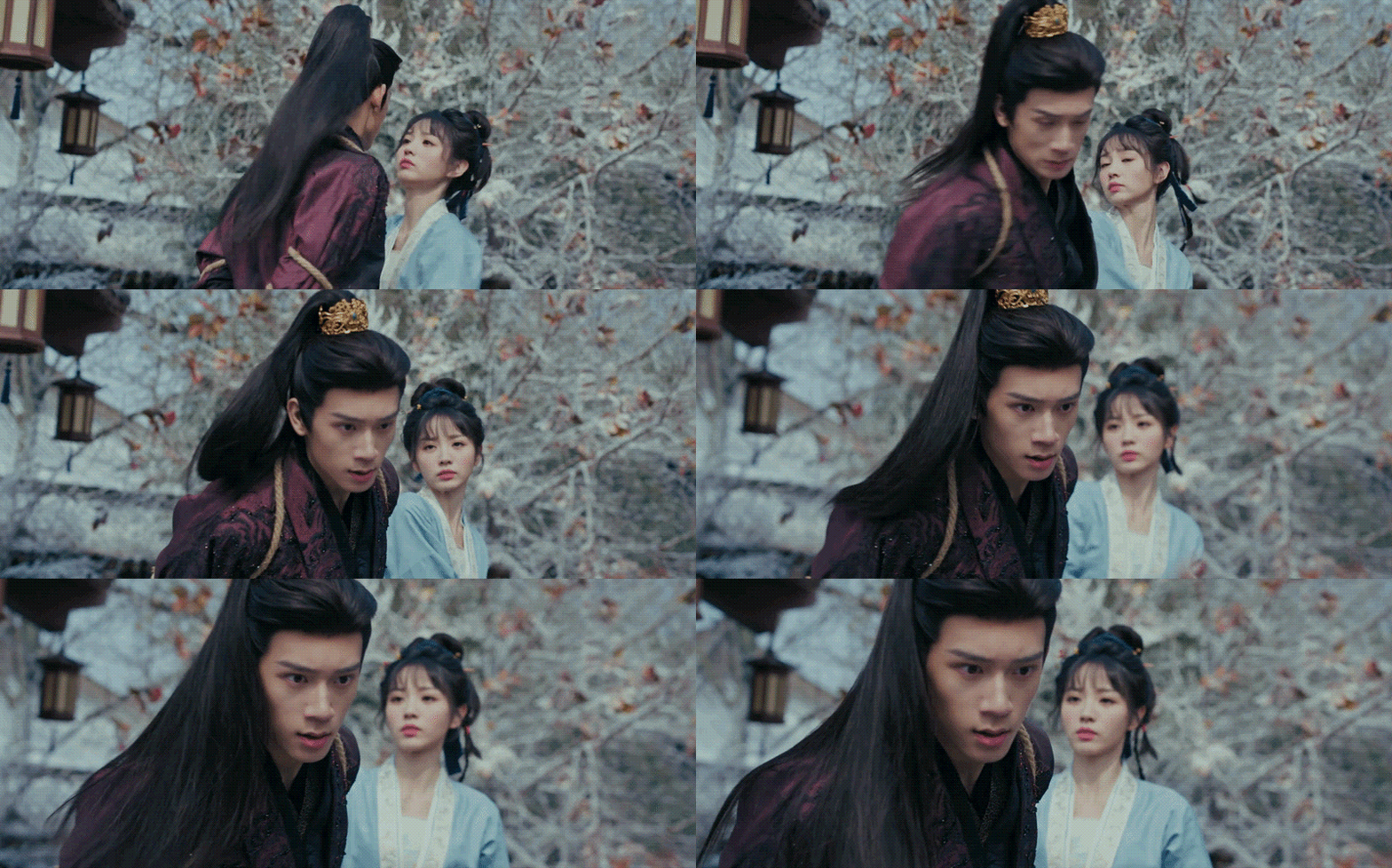
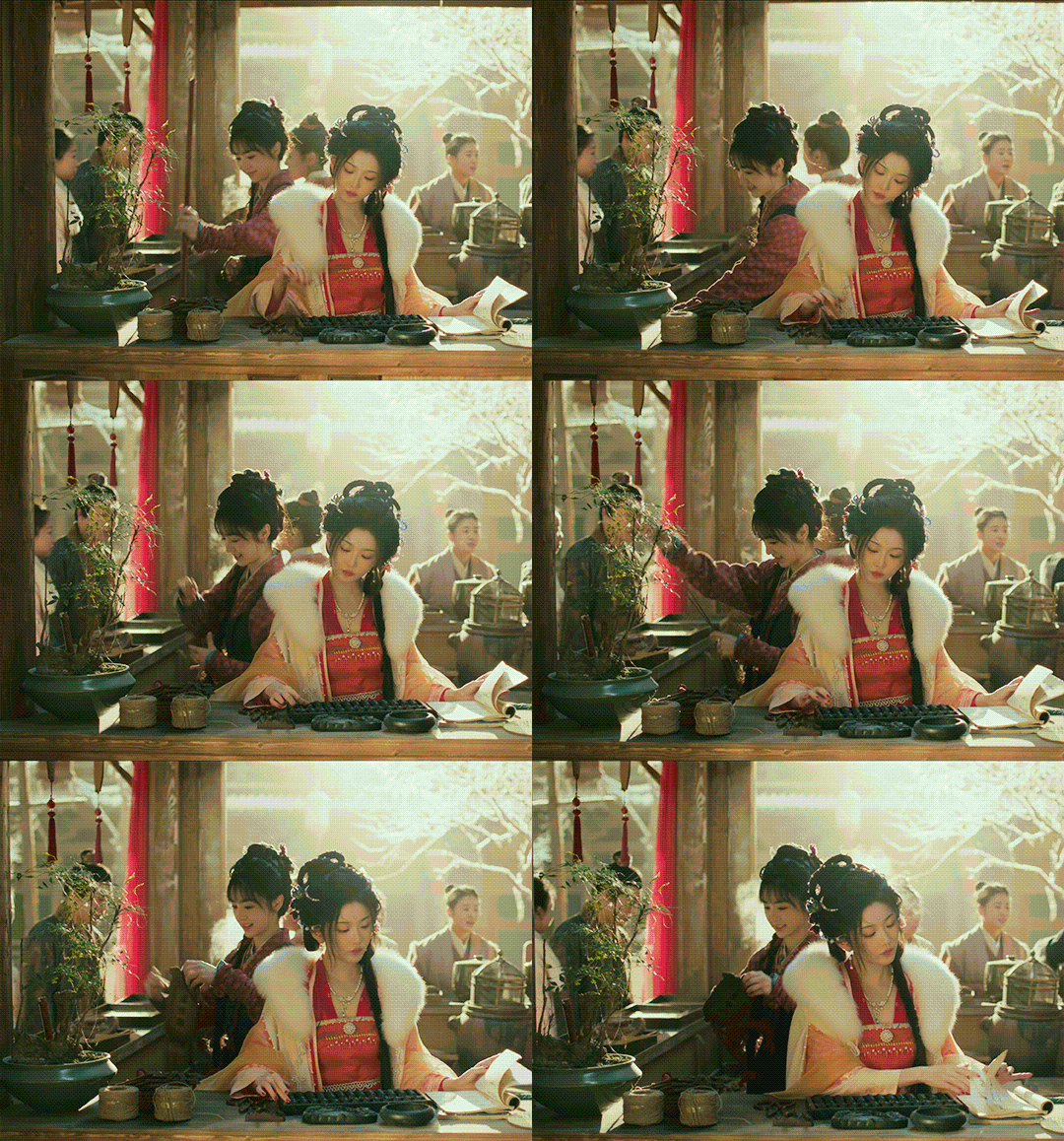
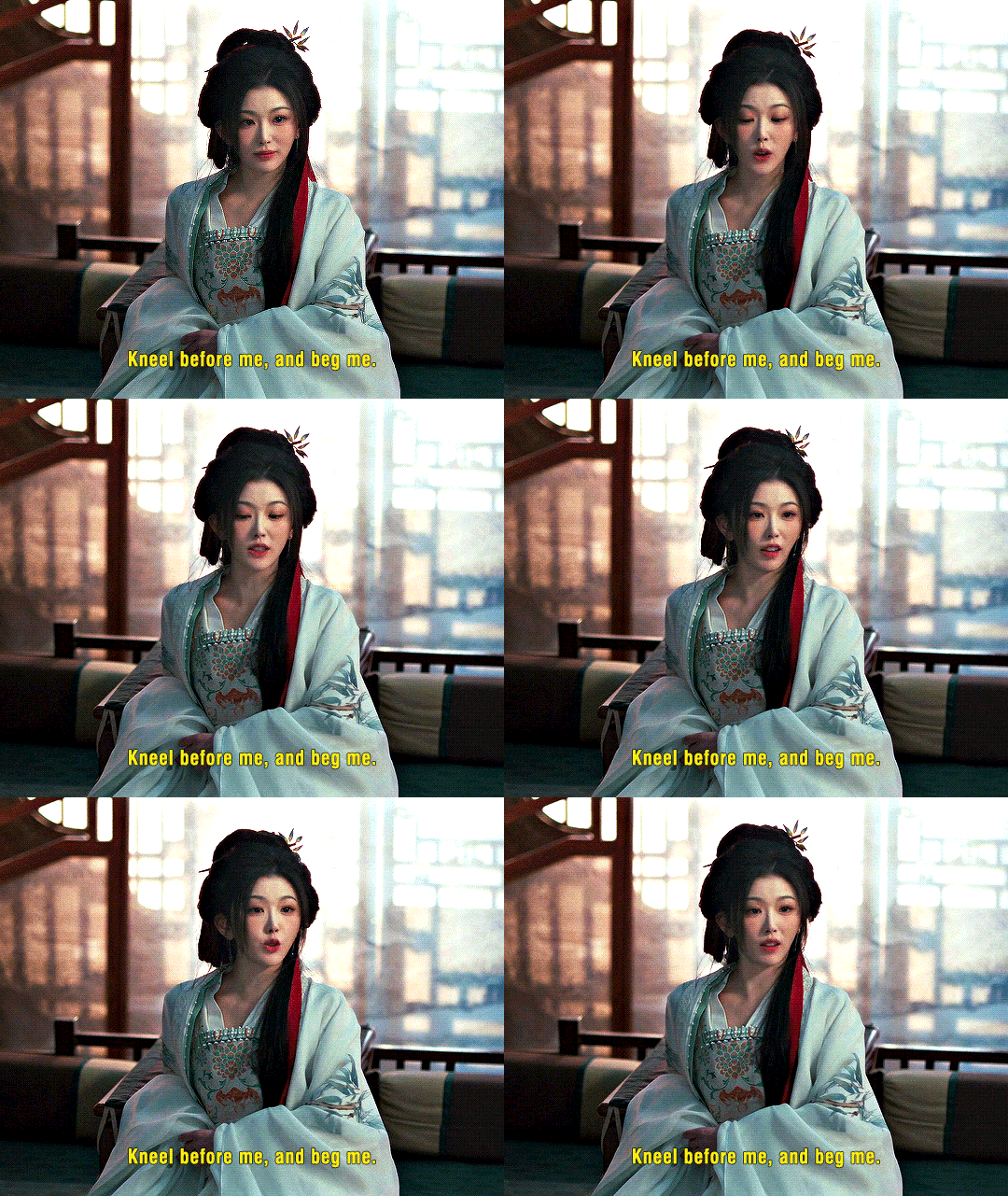
Let’s start with Yu Qianqian. She is the owner of Yixiang Restaurant, a single mother raising her son alone, and a woman who has been deeply wronged by a man in power—Qi Min, the father of her child, yet she neither collapses into victimhood nor simpers in hope of rescue. She runs her business, guards her own dignity, and faces the man who hurt her with an unyielding fierceness that audiences found electric. Kong Xueer, also known as Snow Kong’s performance gives Qianqian exactly the dual image the role demands: outward allure and inner clarity, softness and steel in the same frame.
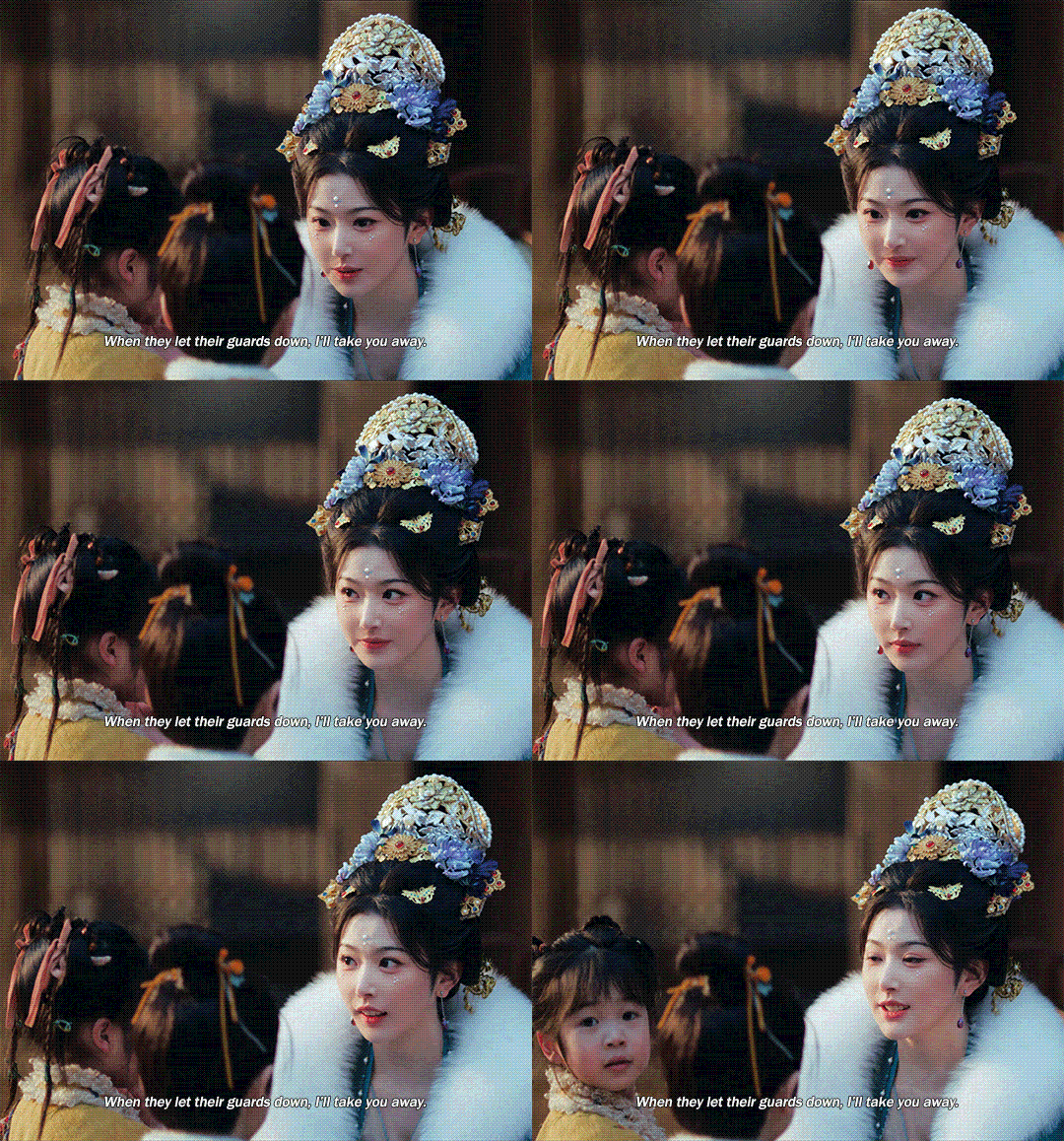
Grand Princess Qi Shu (Yu Zhongli) offers yet another register of female strength: high-born, bold, and entirely unwilling to let social rank dictate the shape of her life. She falls for Gongsun Yin, a man who considers himself beneath her, and rather than waiting to be chosen, she acts. She disguises herself as a man to enrol at his academy. She enters a military camp as a doctor to serve the people. It is, as one reviewer noted, a classic setup given very modern appeal—a princess who chases, in a genre where women so often wait.
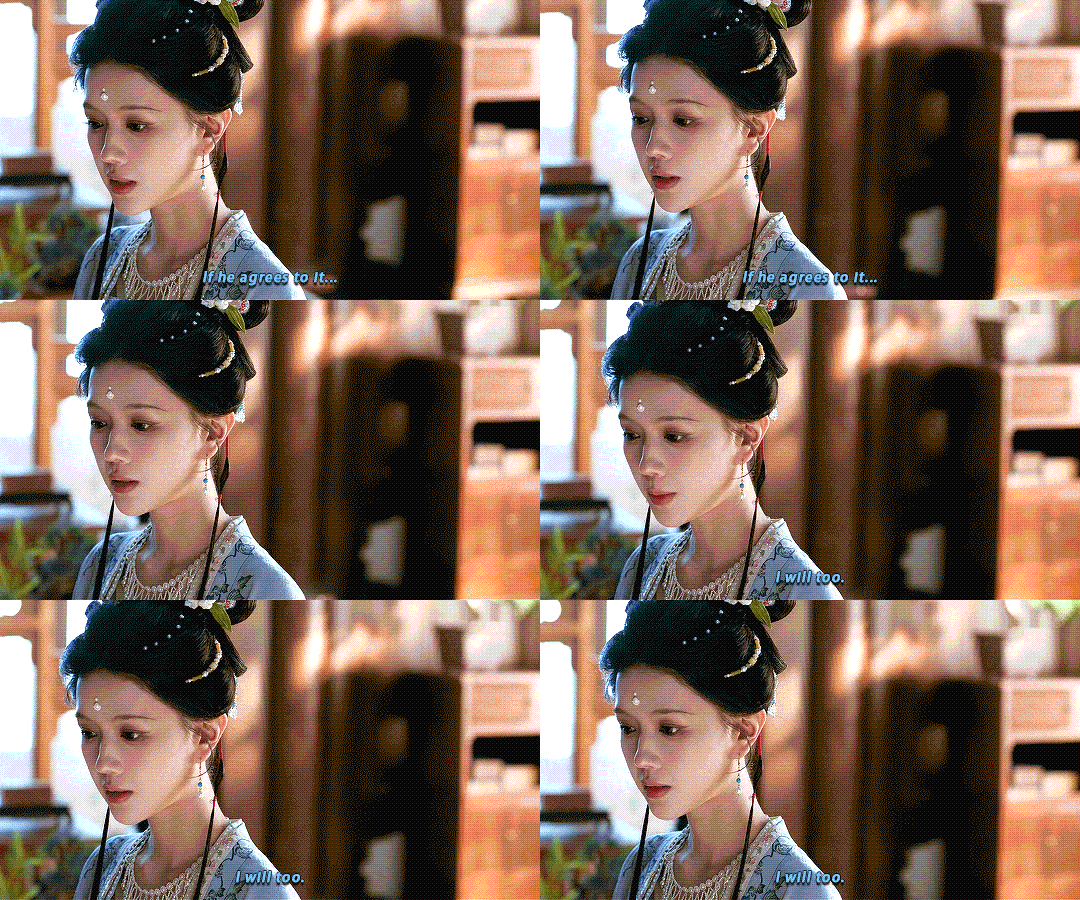
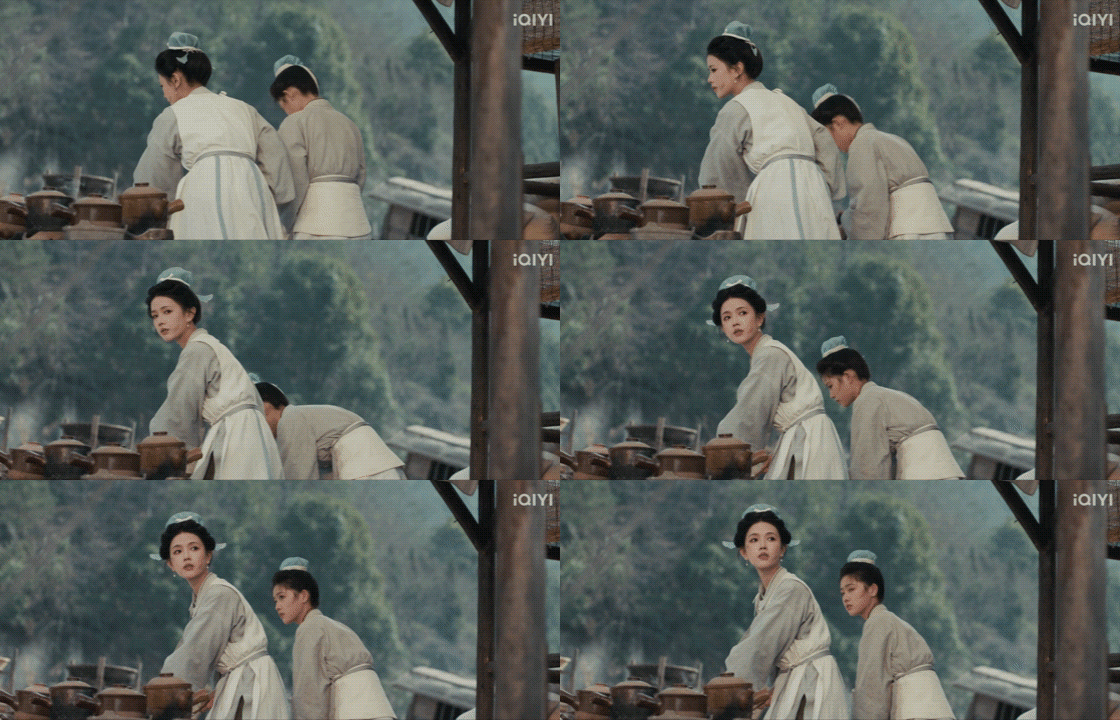
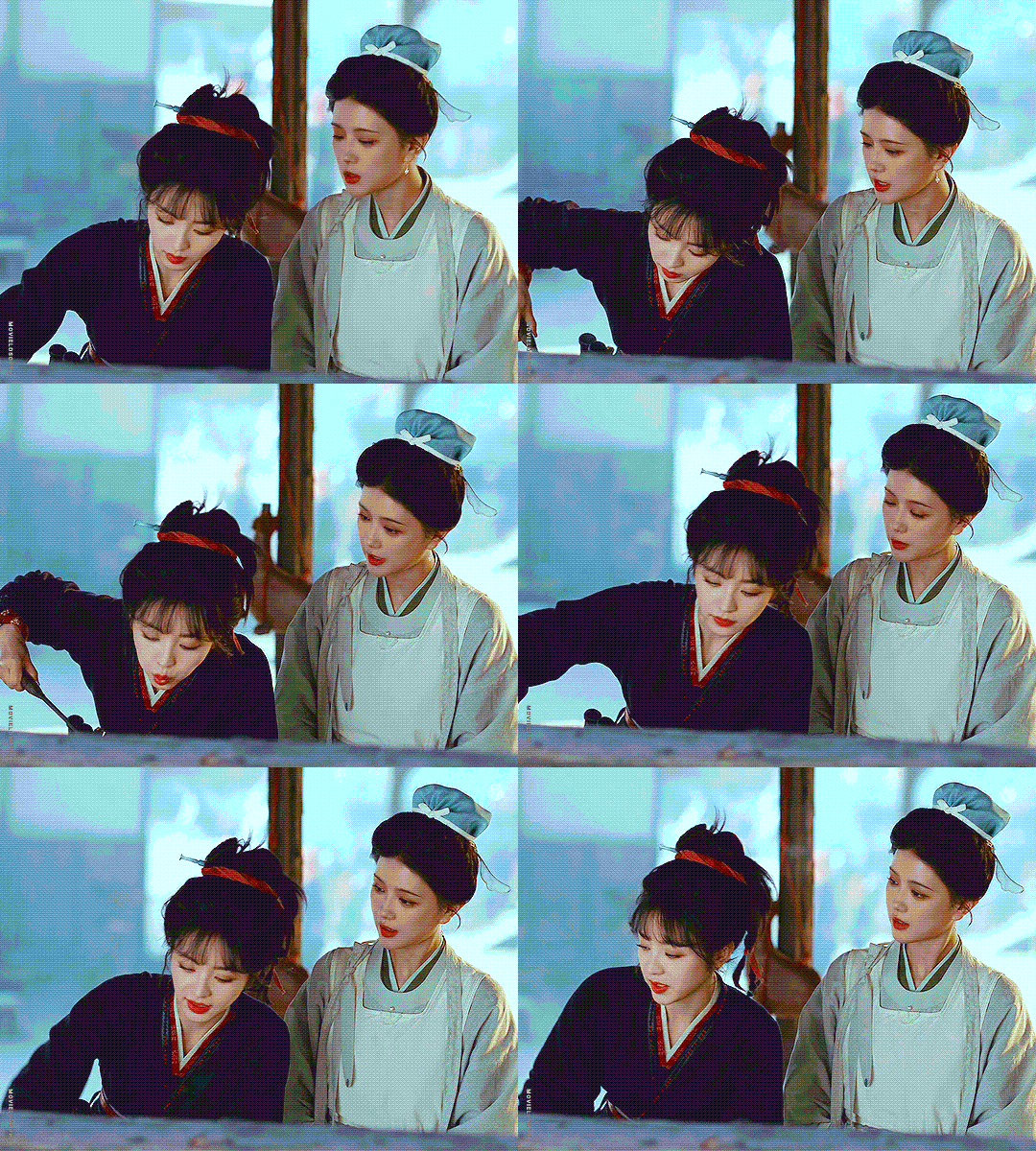
And then there are the women the drama sketches more briefly but no less meaningfully. Madame Wei, the villain’s wife, is a woman trapped in a life she did not choose, navigating survival in a household built on cruelty and deception. Miss Cui, the magistrate’s daughter in Lin’an—proud and affluent, who stands her ground even in the face of death when the village is invaded by the rebel forces. Shi San Niang, the Chief Master of Qingfeng Stronghold—a warrior woman in her own right, not defined by any man’s story. Even Wei Wan, who is Xie Zheng’s mother portrayed as a woman who chose death to protect her child—carries enormous emotional weight in the few scenes dedicated to her memory.
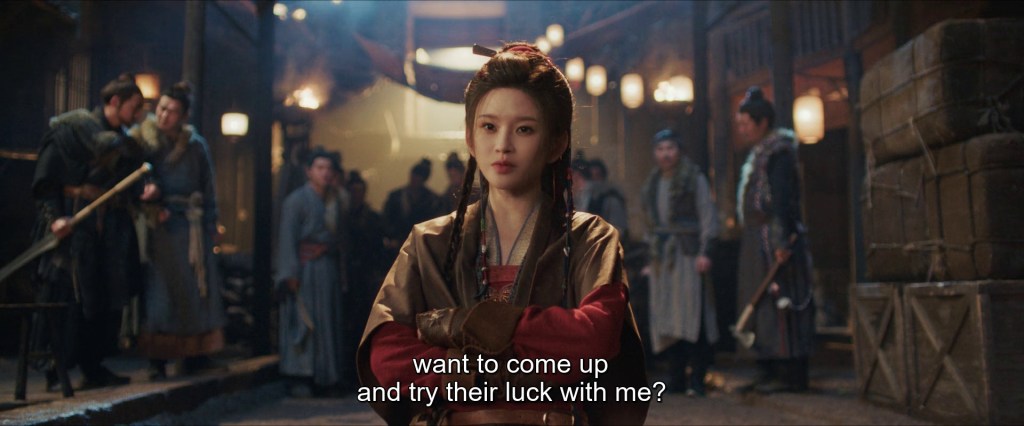

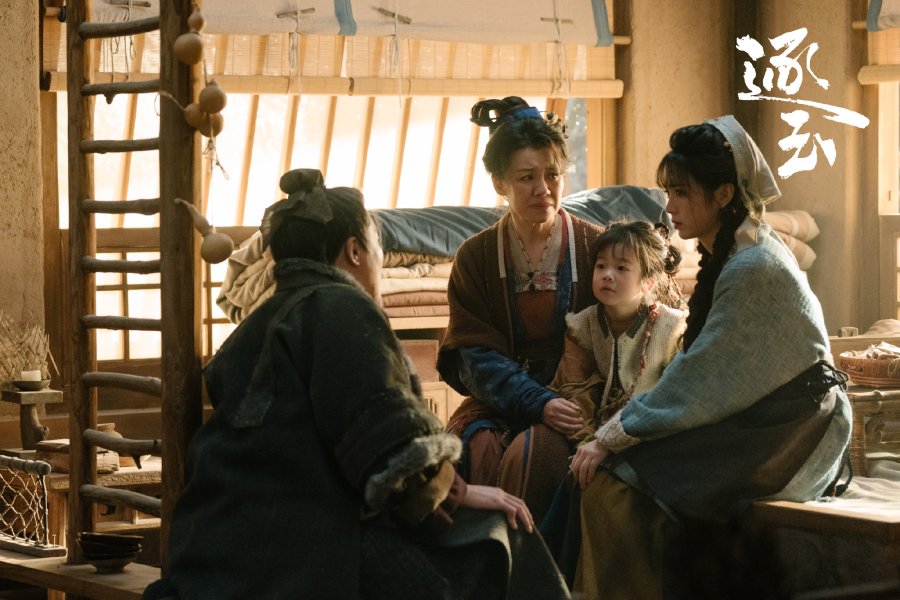
Here, the women—across every social class, from the butcher shop to the palace are each given something real. Strength takes different forms in different circumstances. The drama understands that.
Supporting Cast: Breakout Stars and Scene-Stealers
One of the markers of a great historical drama is whether its world feels inhabited—whether the people around the leads have their own lives, their own stakes, their own pain. Pursuit of Jade largely succeeds here. And beyond being good drama craft, this ensemble has done something quite remarkable: it has turned several of its secondary to break into the scene and be talked about amongst the viewers.
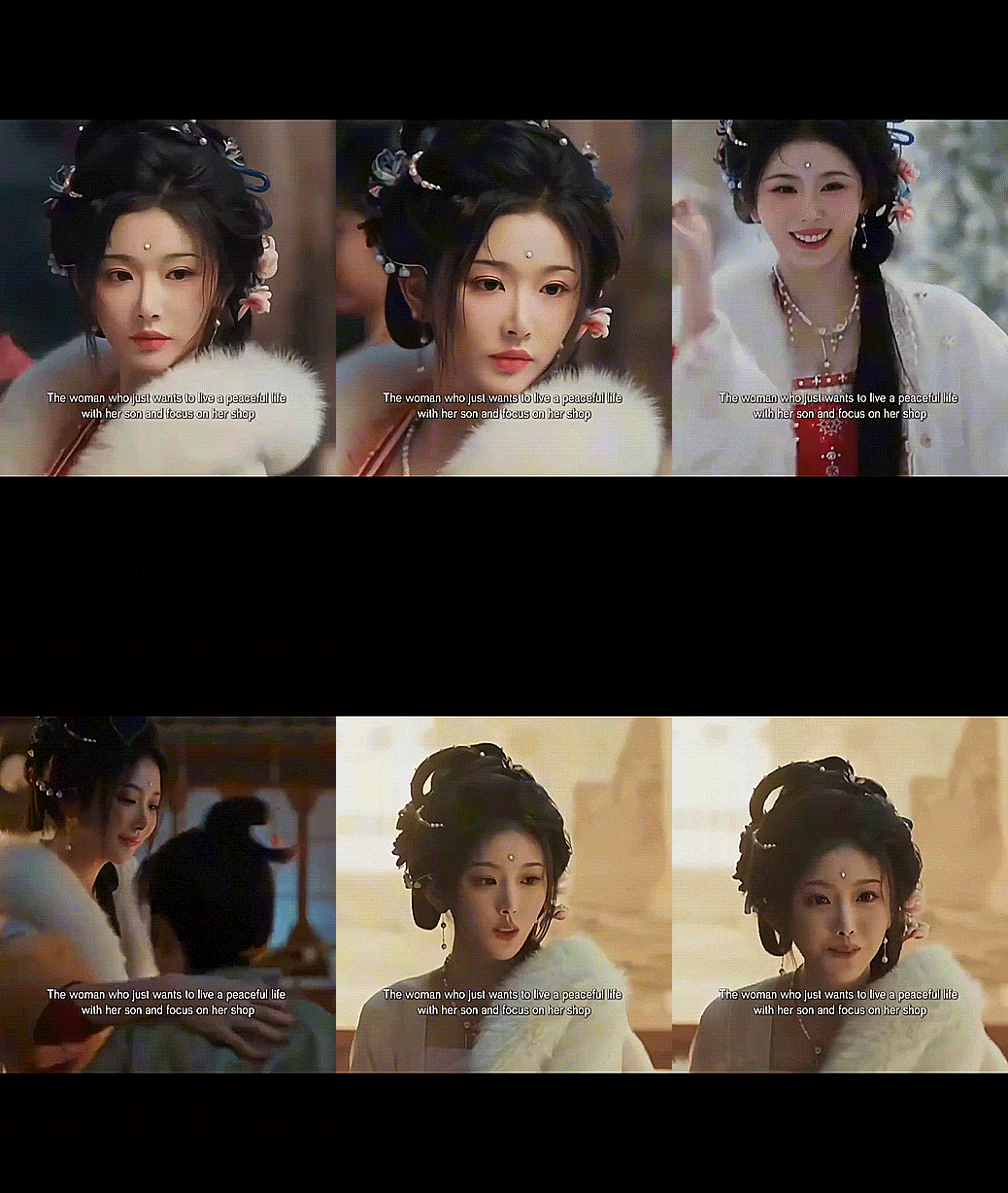
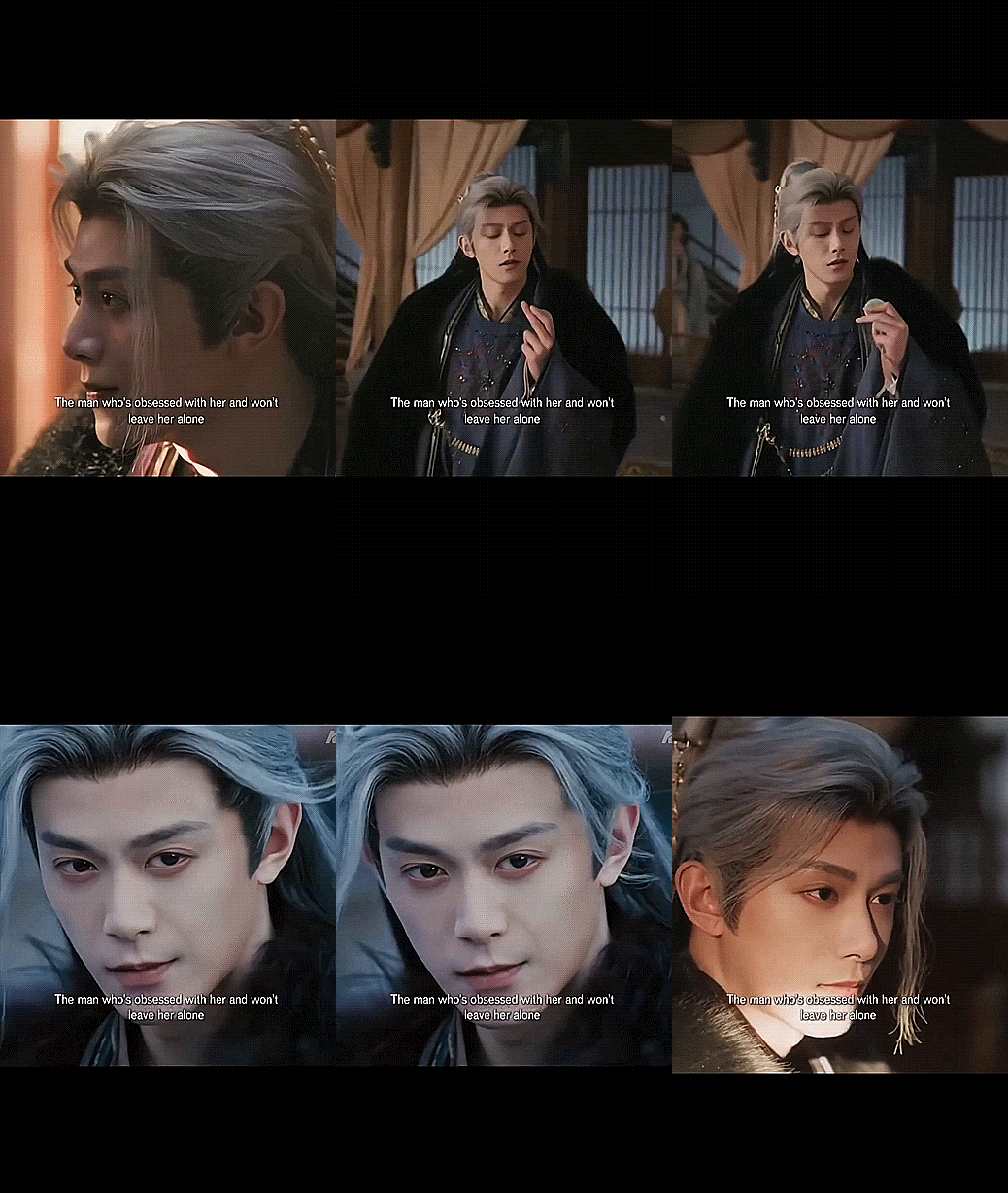
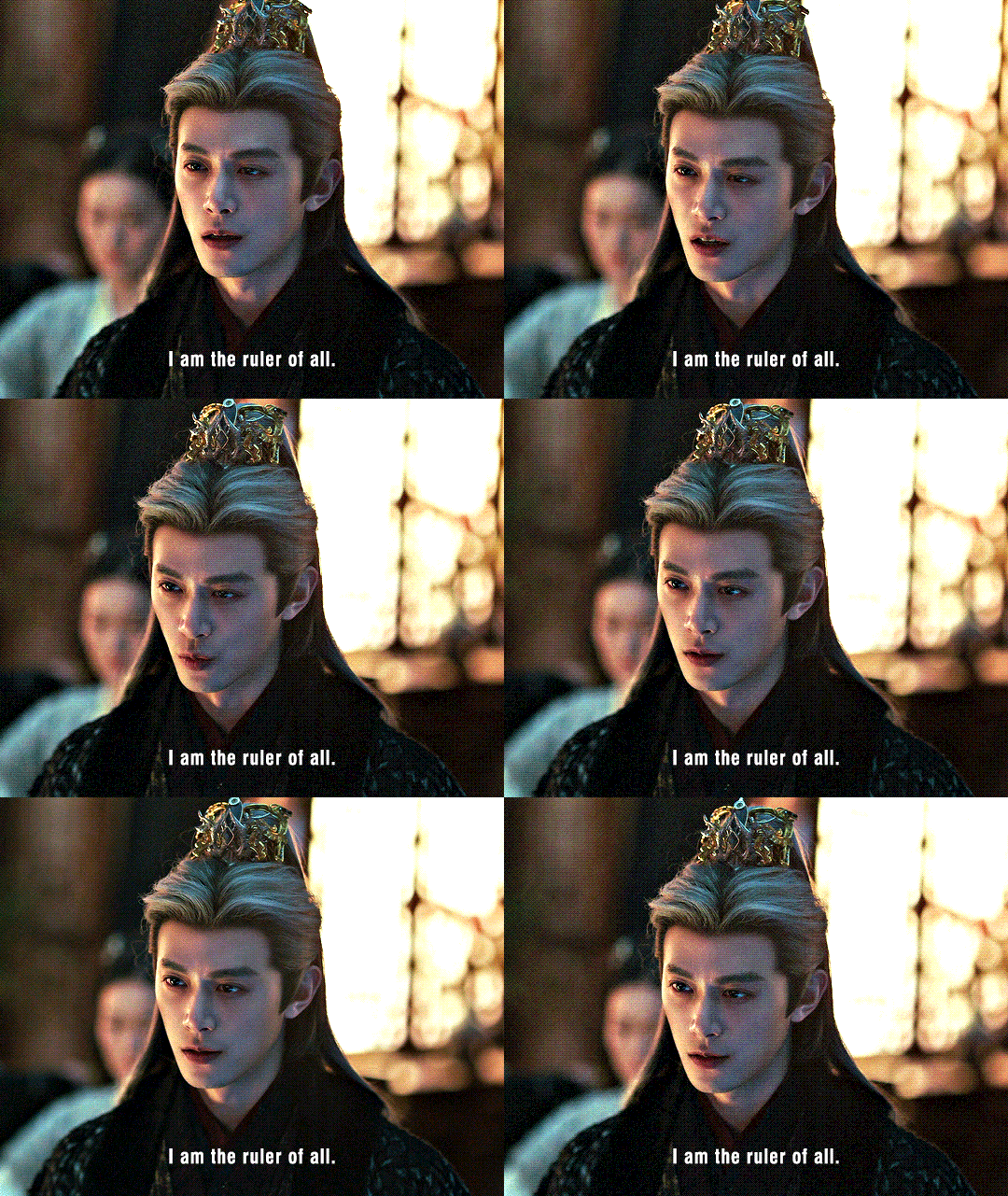
The secondary couple of the drama—Qi Min and Yu Qianqian, played by Deng Kai and Kong Xue’er (Snow Kong) became one of the most talked-about highlights almost immediately. Their dynamic is the opposite of the main couple’s warm slow burn: it is raw, obsessive, and shot through with damage on both sides. Deng Kai’s portrayal of Qi Min earned him the fan-coined title “representative of the eccentric and madman”. Snow Kong, meanwhile, shattered the “pretty face from a girl group” stereotype completely. They have since been cast together again.
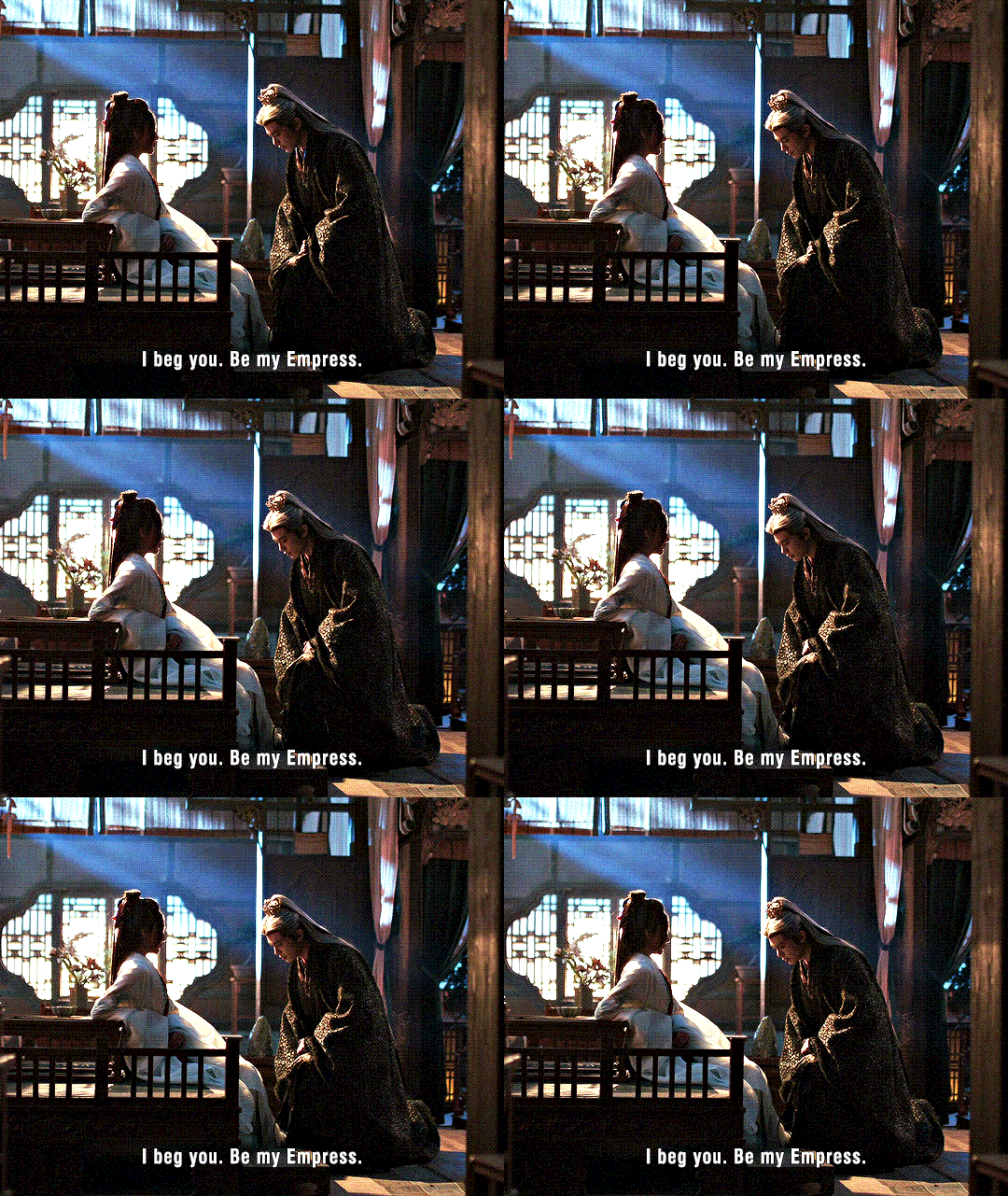
Then there is Yu Zhongli as Grand Princess Qi Shu, whose romantic arc with strategist Gongsun Yin (played by Li Qing) gave the drama a third emotional register—star-crossed, heartbreaking, and ultimately about the courage it takes to love across an impossible social gap. Yu Zhongli, a Shanghai Theatre Academy graduate who has built her career gradually, called it a turning point.
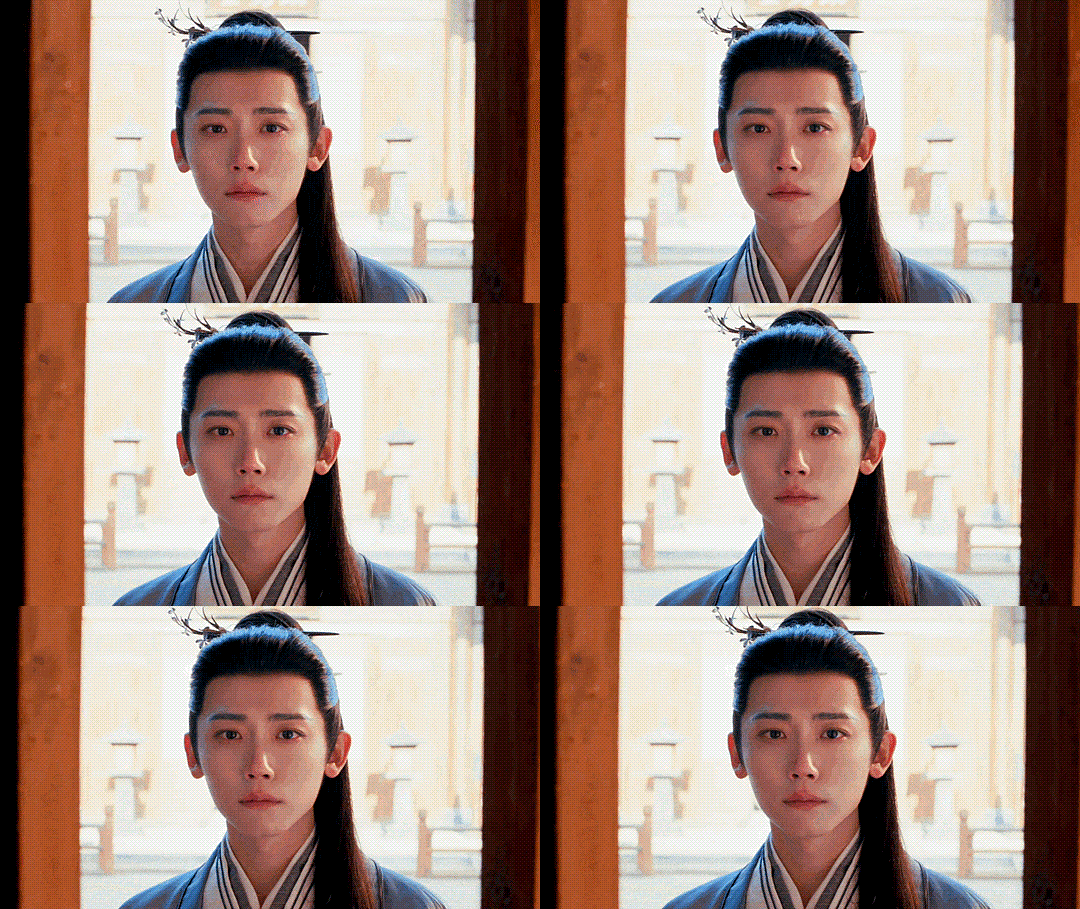
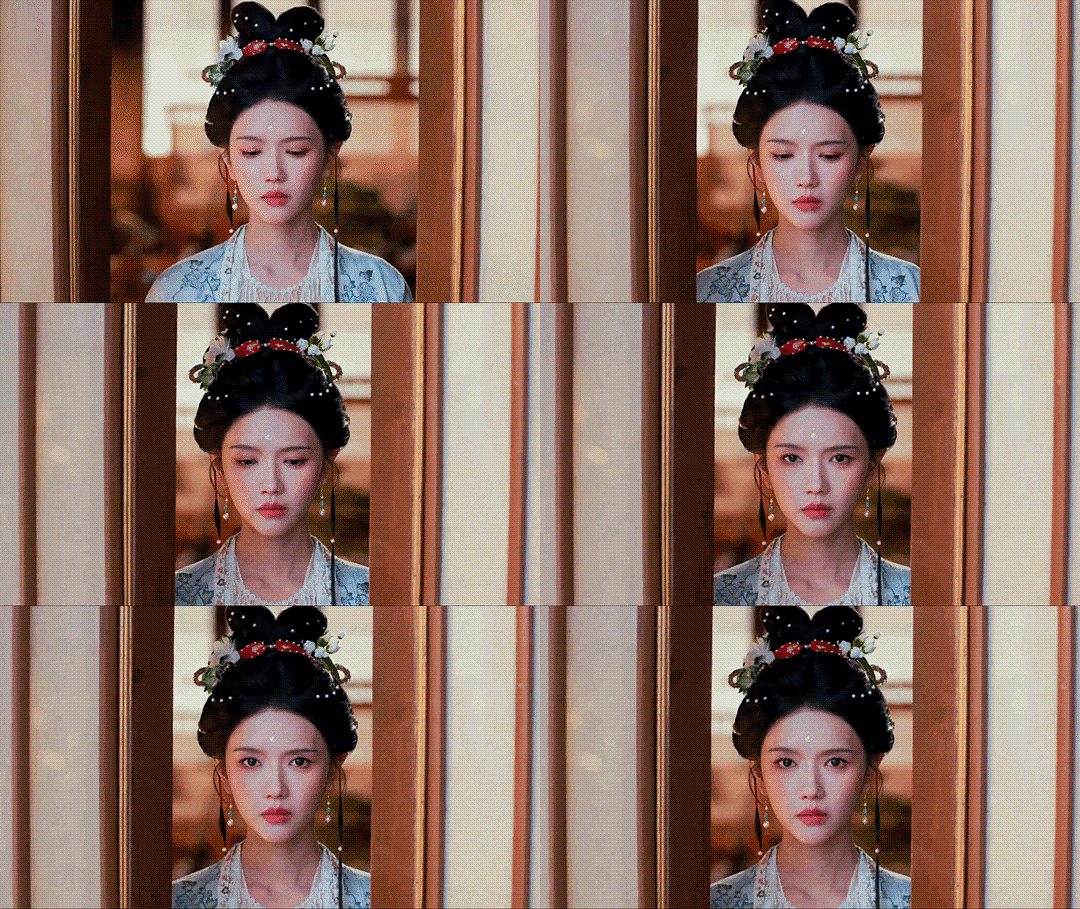
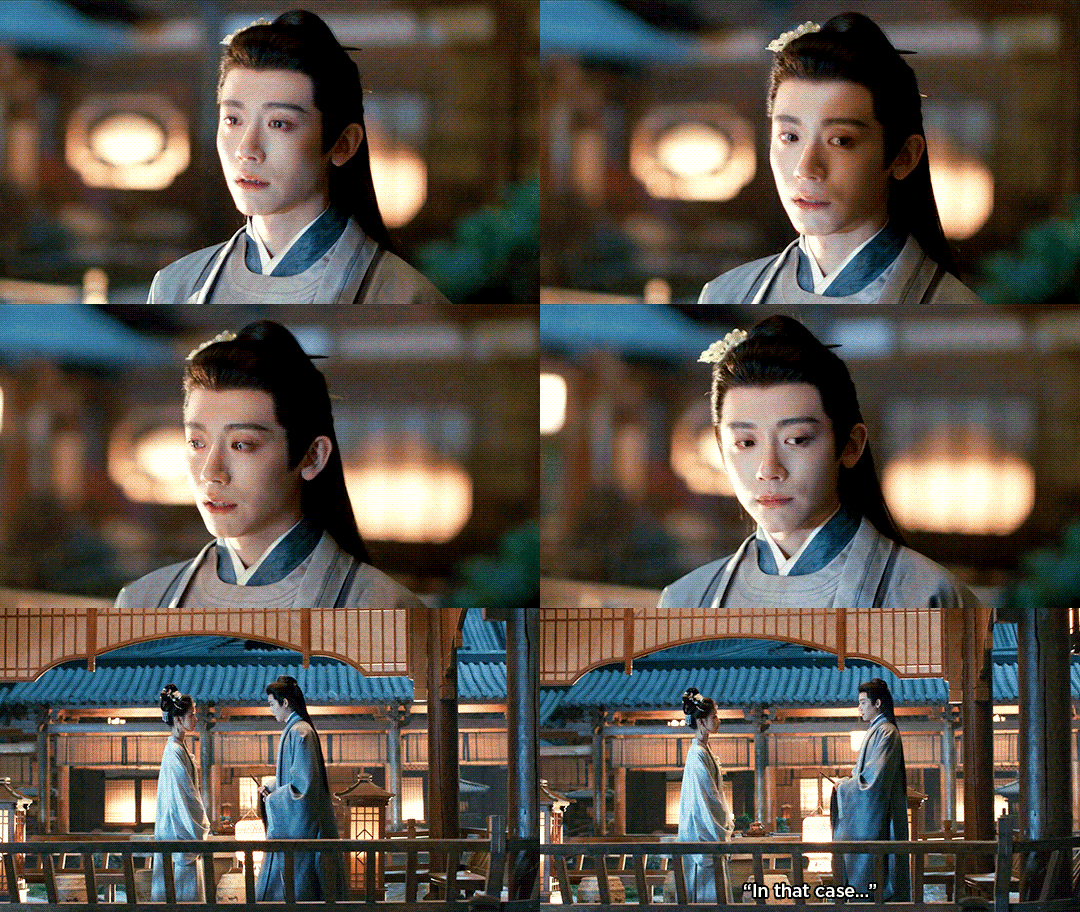
Lin Mu Ran as Sui Yuanqing delivered an incredibly layered, multi-faceted villain—especially impressive given how young he is. His performance struck a chord instantly, and audiences couldn’t stop talking about it.
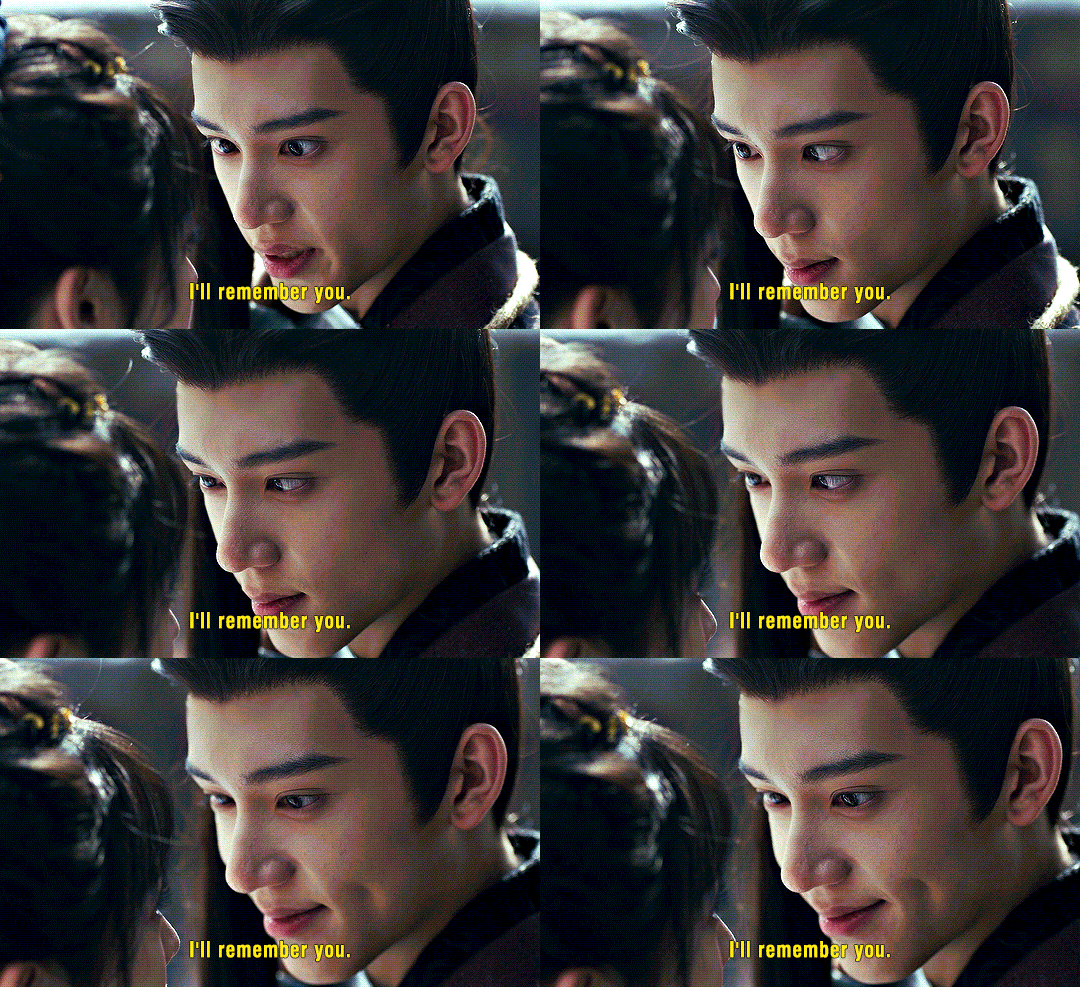
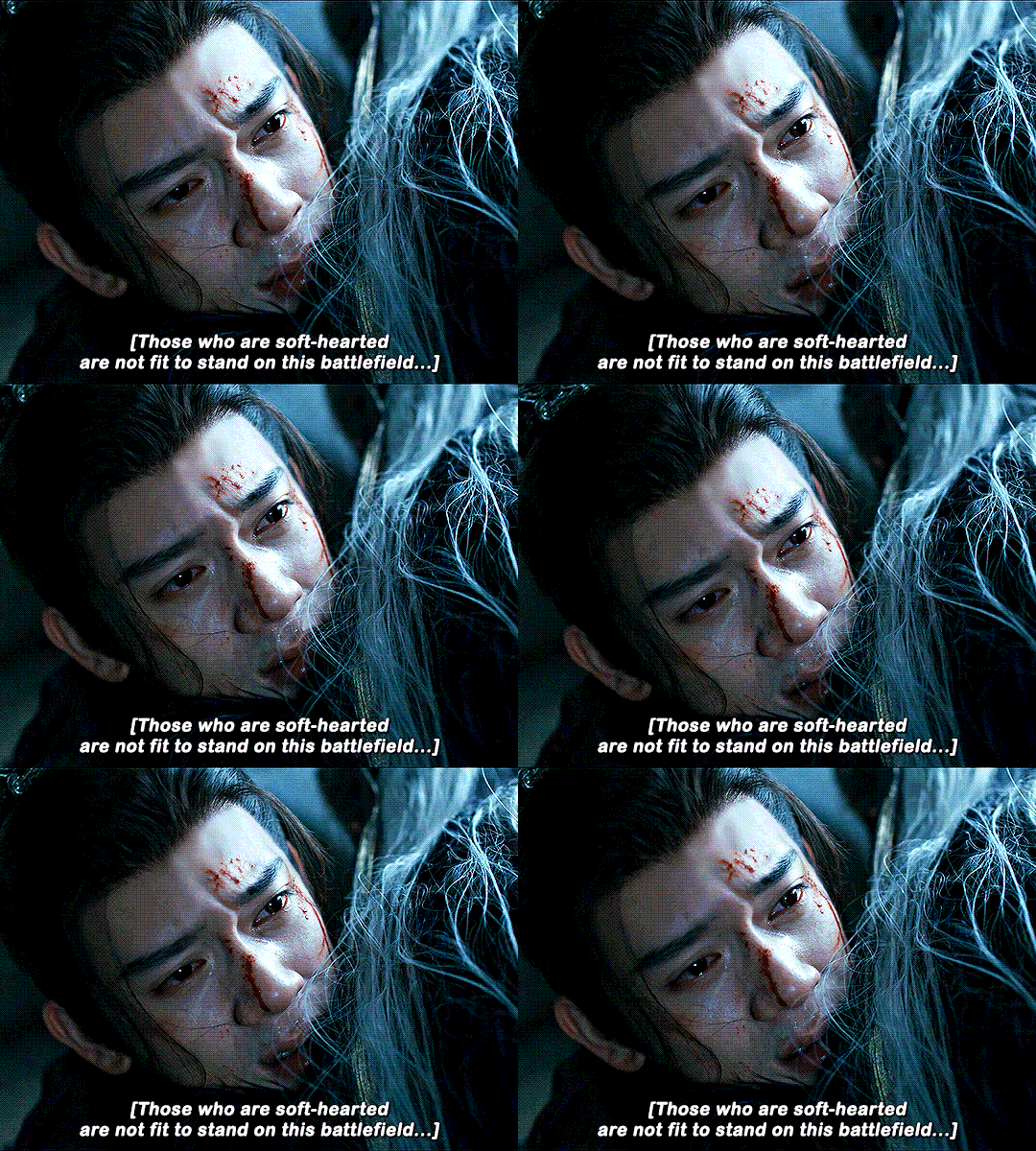
Yan Yi Kuan‘s portrayal of Wei Yan, on the other hand, brought a quiet, poised menace to his role; despite limited screen time, his restrained portrayal stood out in a genre often filled with over-the-top antagonists.
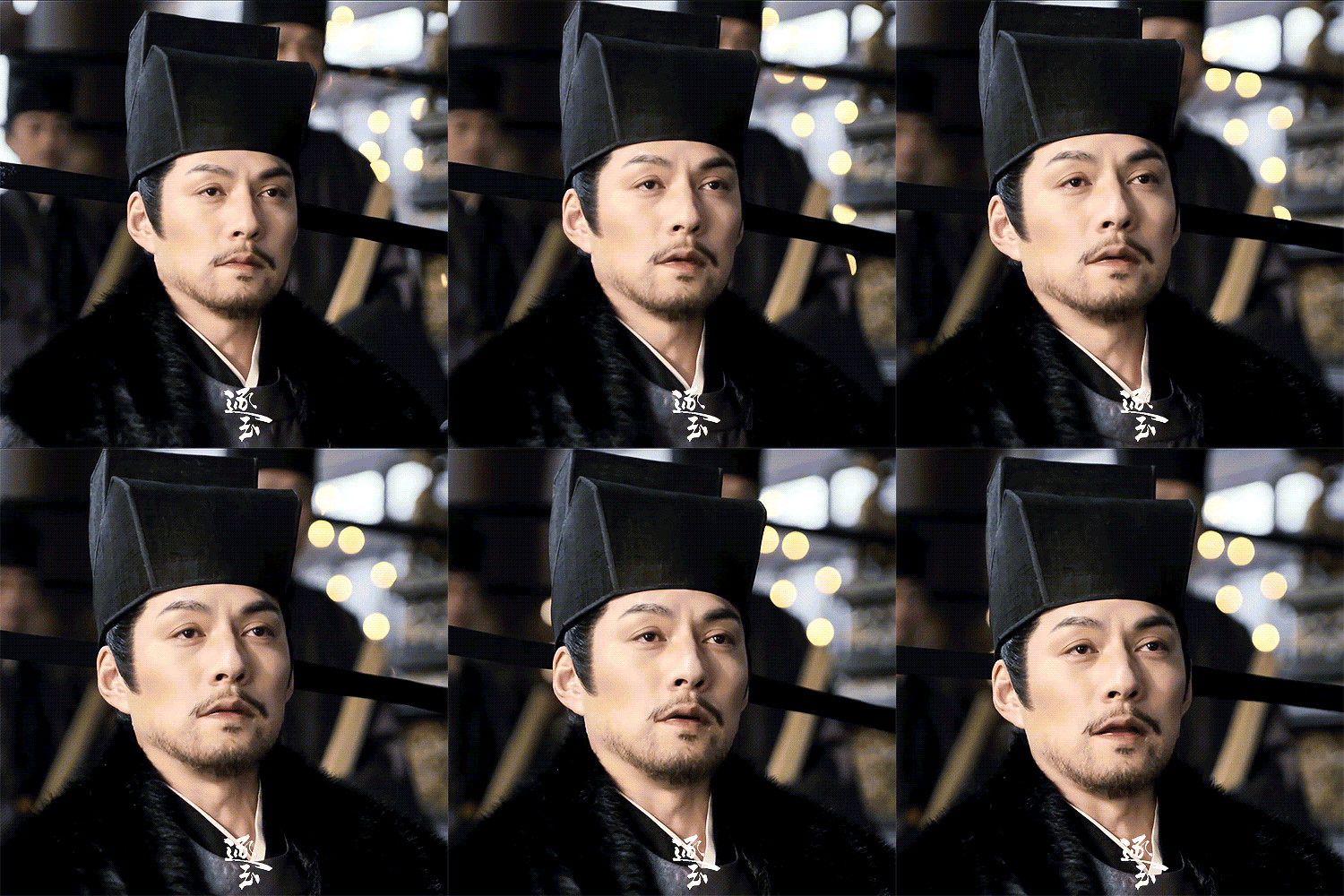
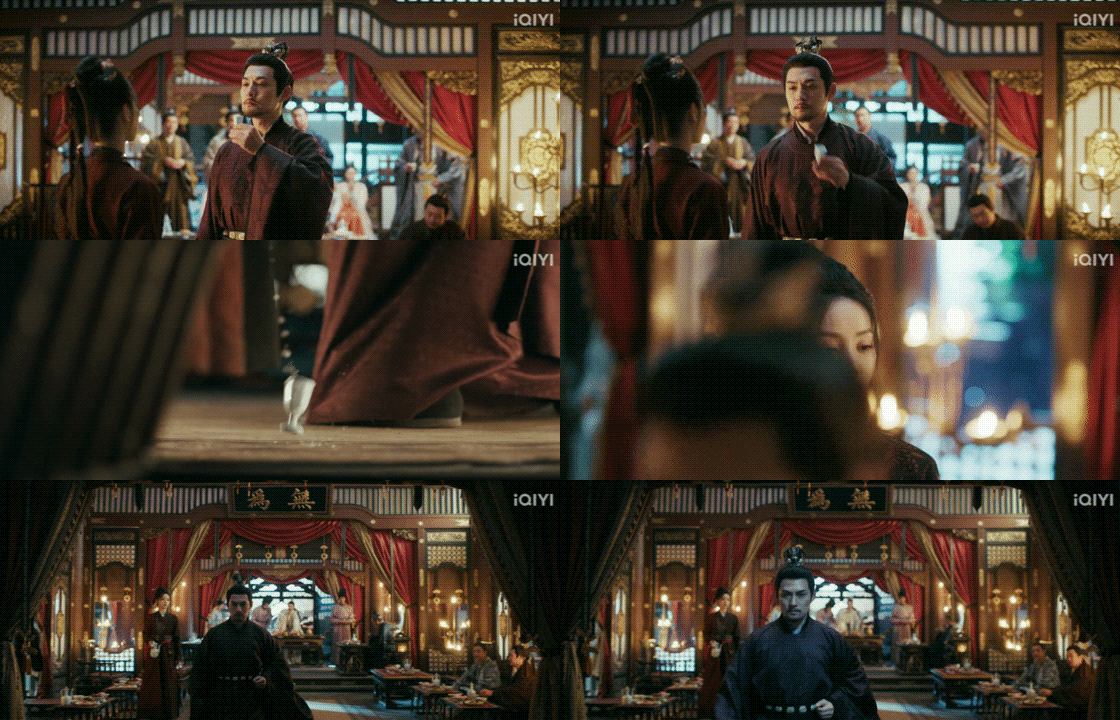
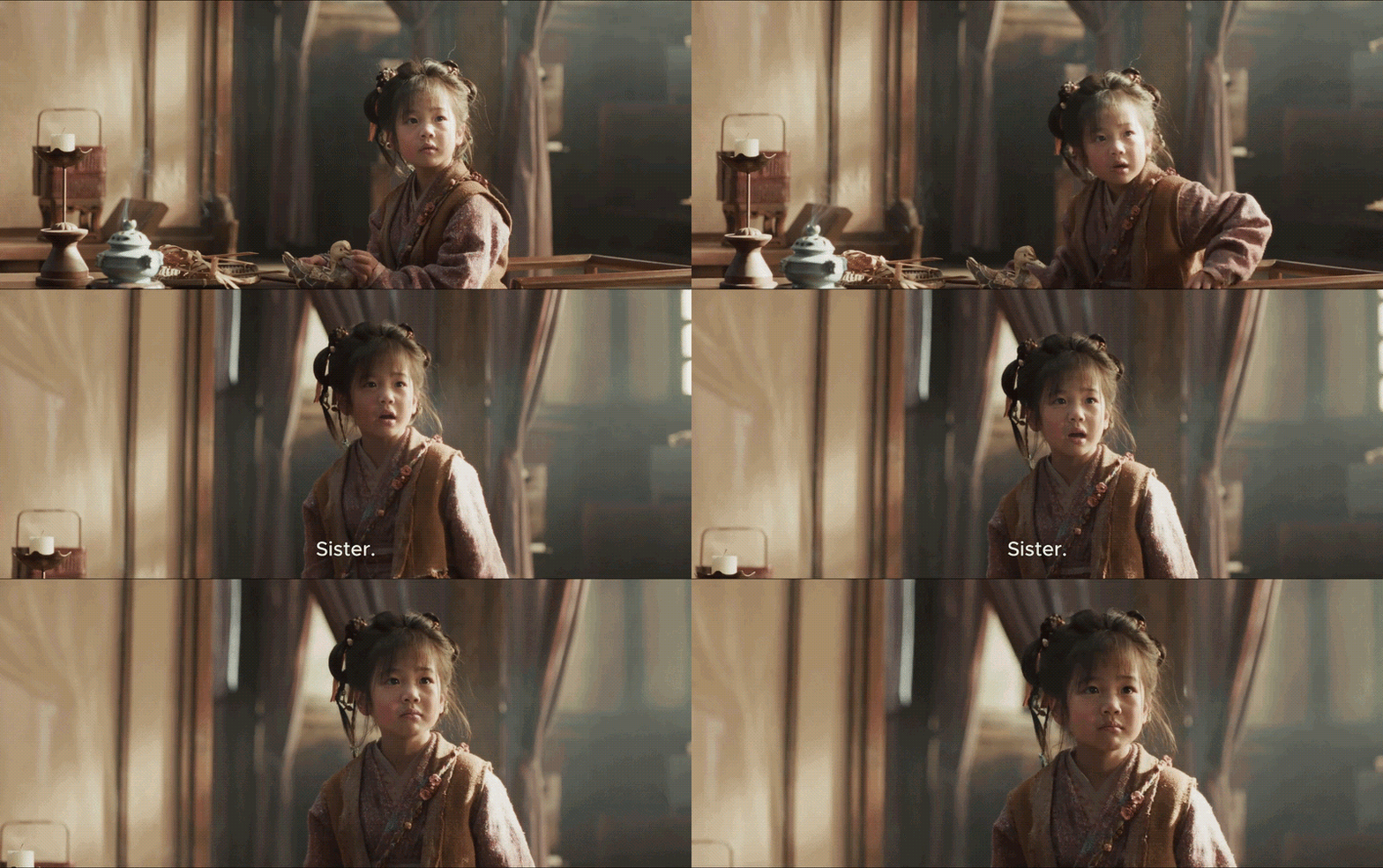
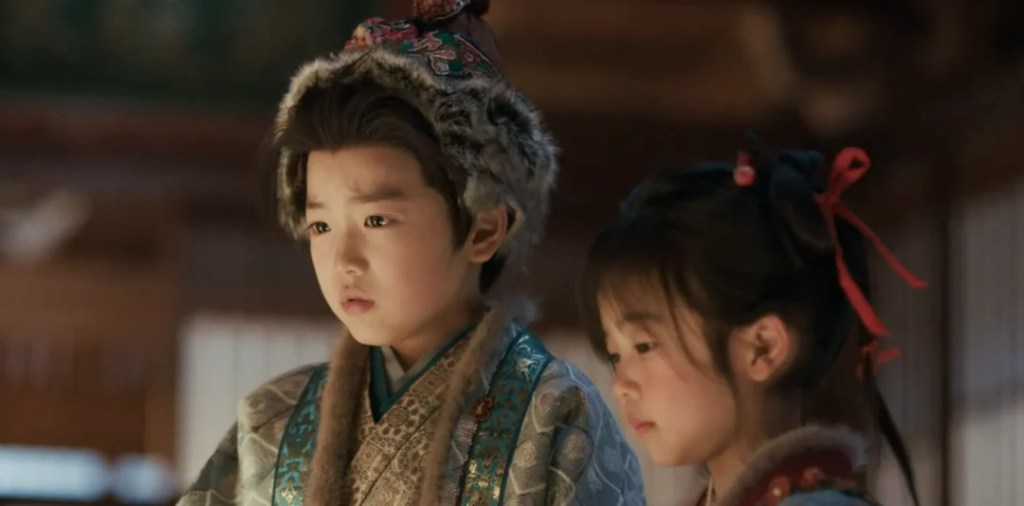
Meanwhile, child actors Cao Yan Ning and Wu Jia Jun delivered deeply moving performances, each capturing emotion beautifully within their own very different circumstances.
Ren Hao brings gravitas as Li Huai’an. Liu Lin as Aunt Zhao is the warmth and steady humour of Lin’an village, the kind of supporting character who makes you feel the community is real. Gao Qingchen (Nine Krachit), the Thai actor who rose through INTO1, plays Mandi, a minor market character who becomes one of Fan Changyu’s loyal followers. Many other characters also played their roles effectively, contributing meaningfully to the story.
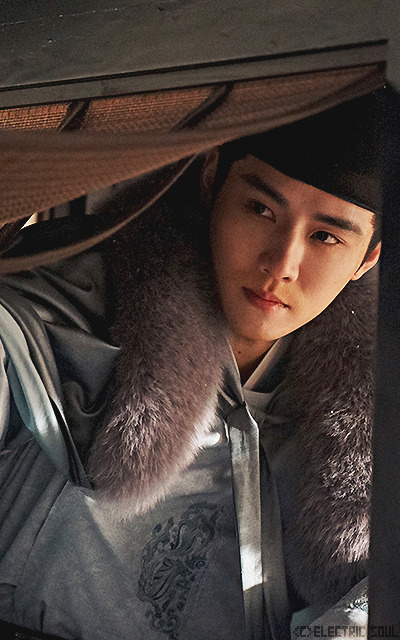
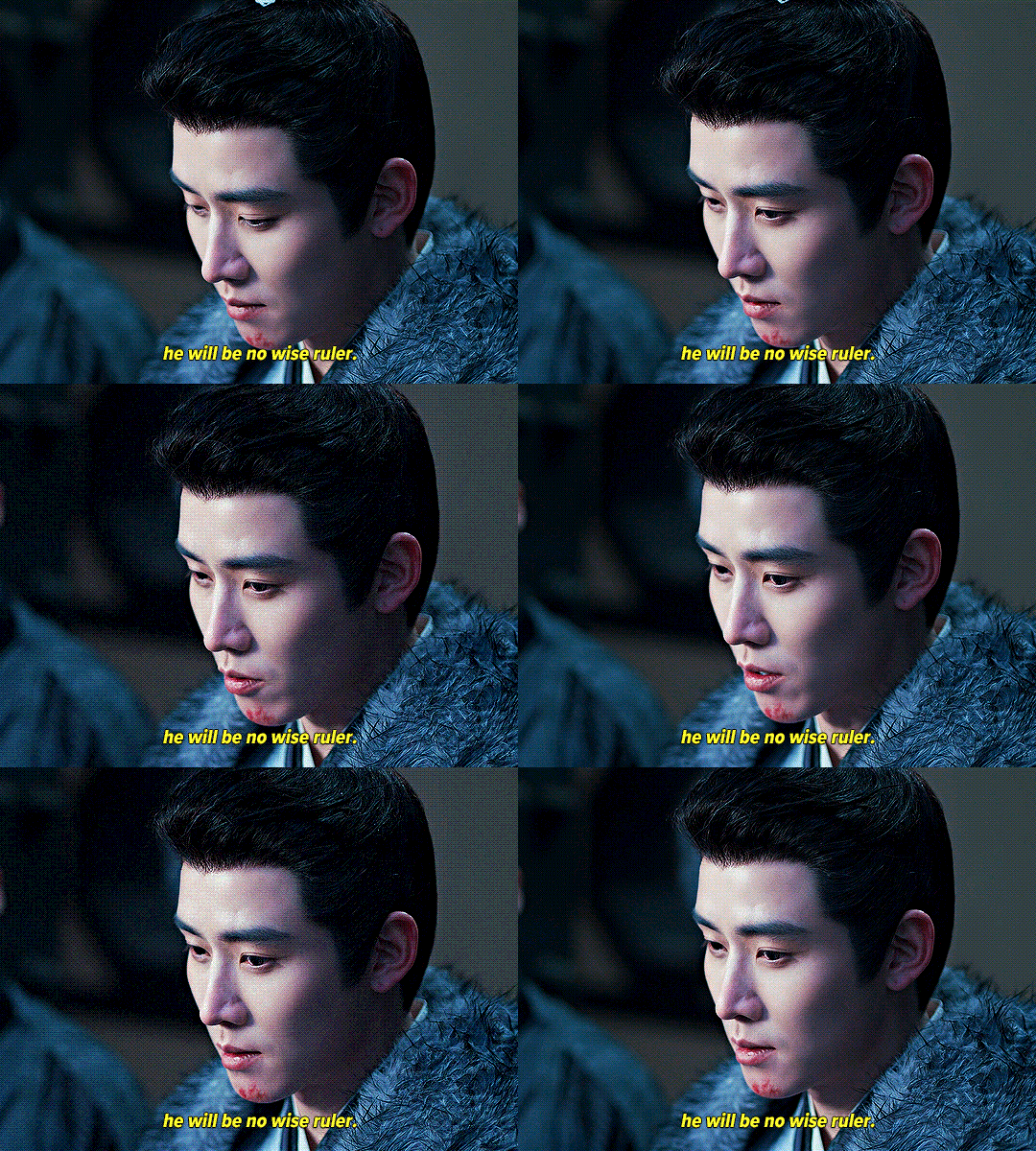
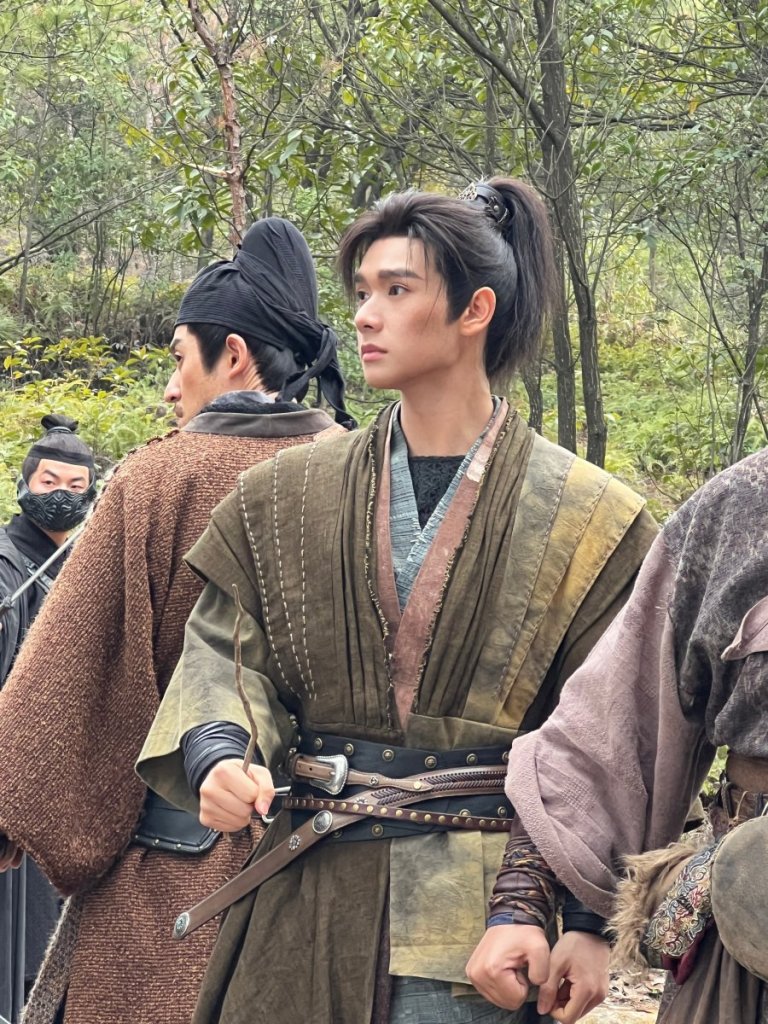
The idols-turned-actors in the cast are placed wisely in roles that suit their current skill levels rather than demanding they carry above their weight. At the same time, the cast also features several veteran actors who add depth and experience to the ensemble. It is thoughtful casting from a production team that clearly understood its ensemble, and it pays off in cohesion and in careers.
Zeng Qingjie’s Direction, Craft, and Visual Storytelling Explained
Director Zeng Qingjie, who first gained recognition for his work on Butterfly Lover (风月变) and later the full-length drama Blossom (九重紫), has consistently been praised for his direction, cinematography, and overall production quality. For Pursuit of Jade, he collaborated with writer Zou Yue, who led the screenplay. Zou Yue is also known for her work on Love Like the Galaxy (星汉灿烂) and Coroner’s Dairy (朝雪录), both of which were well received.
Zeng Qingjie’s visual storytelling philosophy stands out in the landscape of historical Chinese dramas. Rather than relying heavily on CGI, he uses light, shadow, composition, and natural elements—snow, fire, smoke, and open skies to create atmosphere and enhance emotional depth. The result is a drama that feels cinematic without appearing overly stylized or artificial.
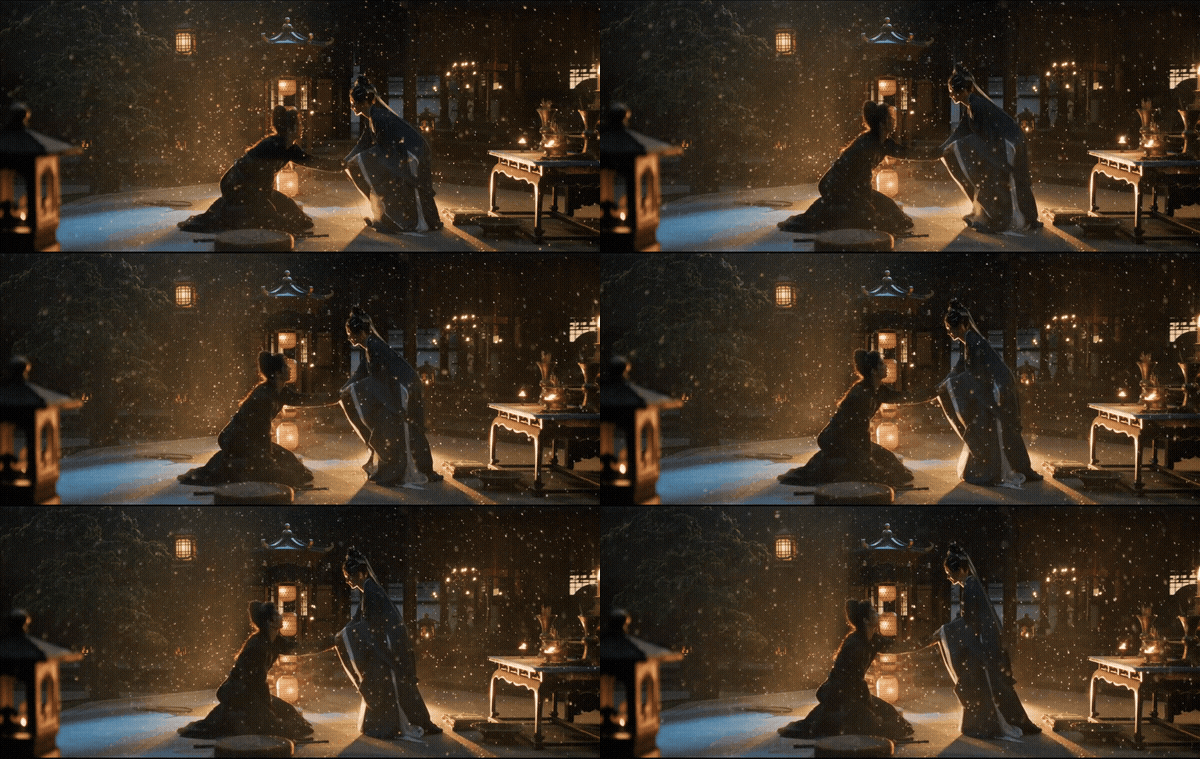
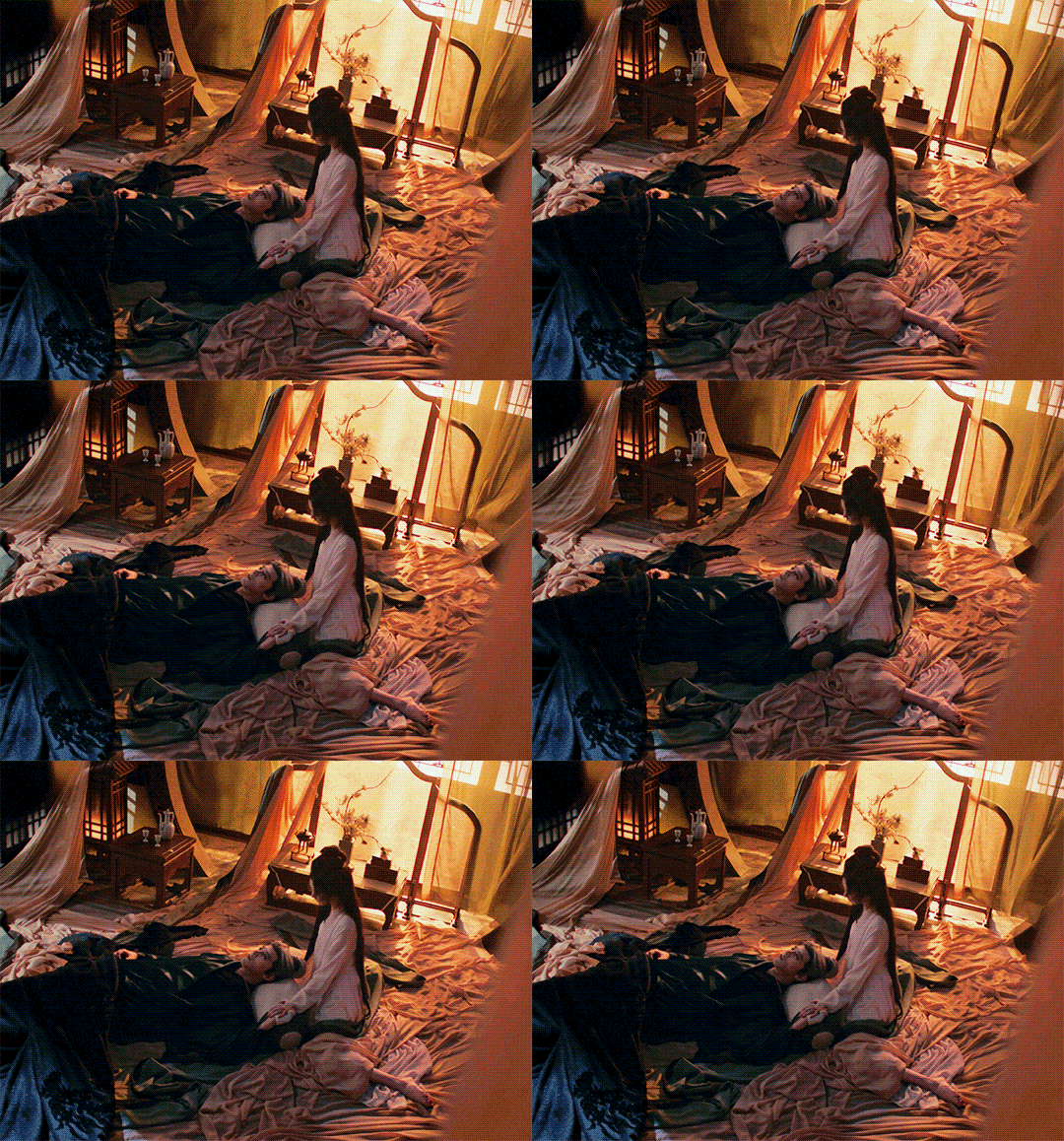
Visually, Pursuit of Jade is a consistently striking production. The cinematography is one of its strongest aspects: snow-covered landscapes carry real atmospheric weight, interiors are dimly lit yet immersive, and fight sequences are executed with steady camerawork that allows viewers to follow the action clearly. The costume design also doubles as character storytelling—Changyu’s grounded, practical palette contrasts beautifully with the refined elegance of court attire. Meanwhile, the set design, especially Lin’an village, feels textured and lived-in, grounding the early episodes in realism rather than spectacle.
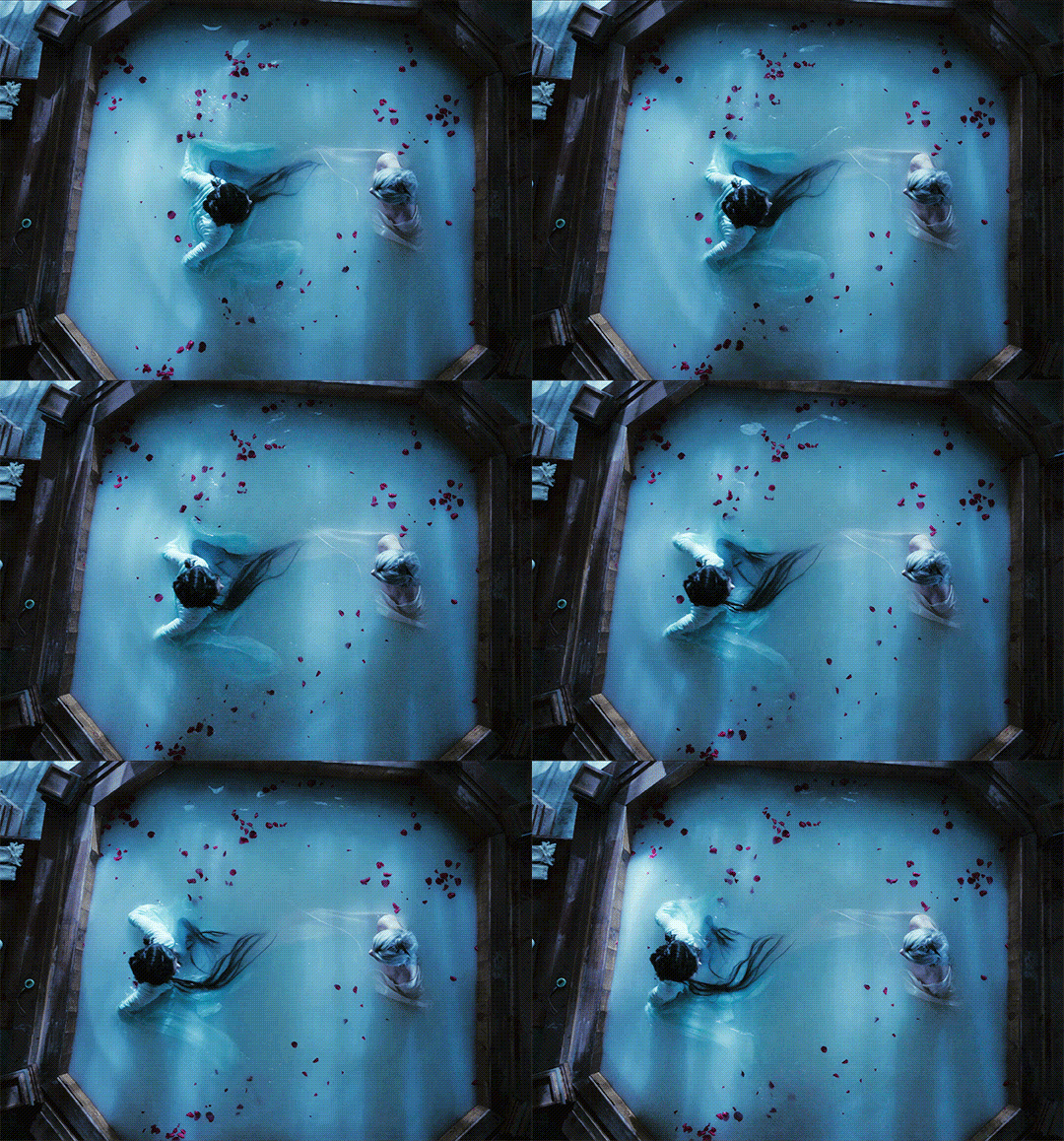
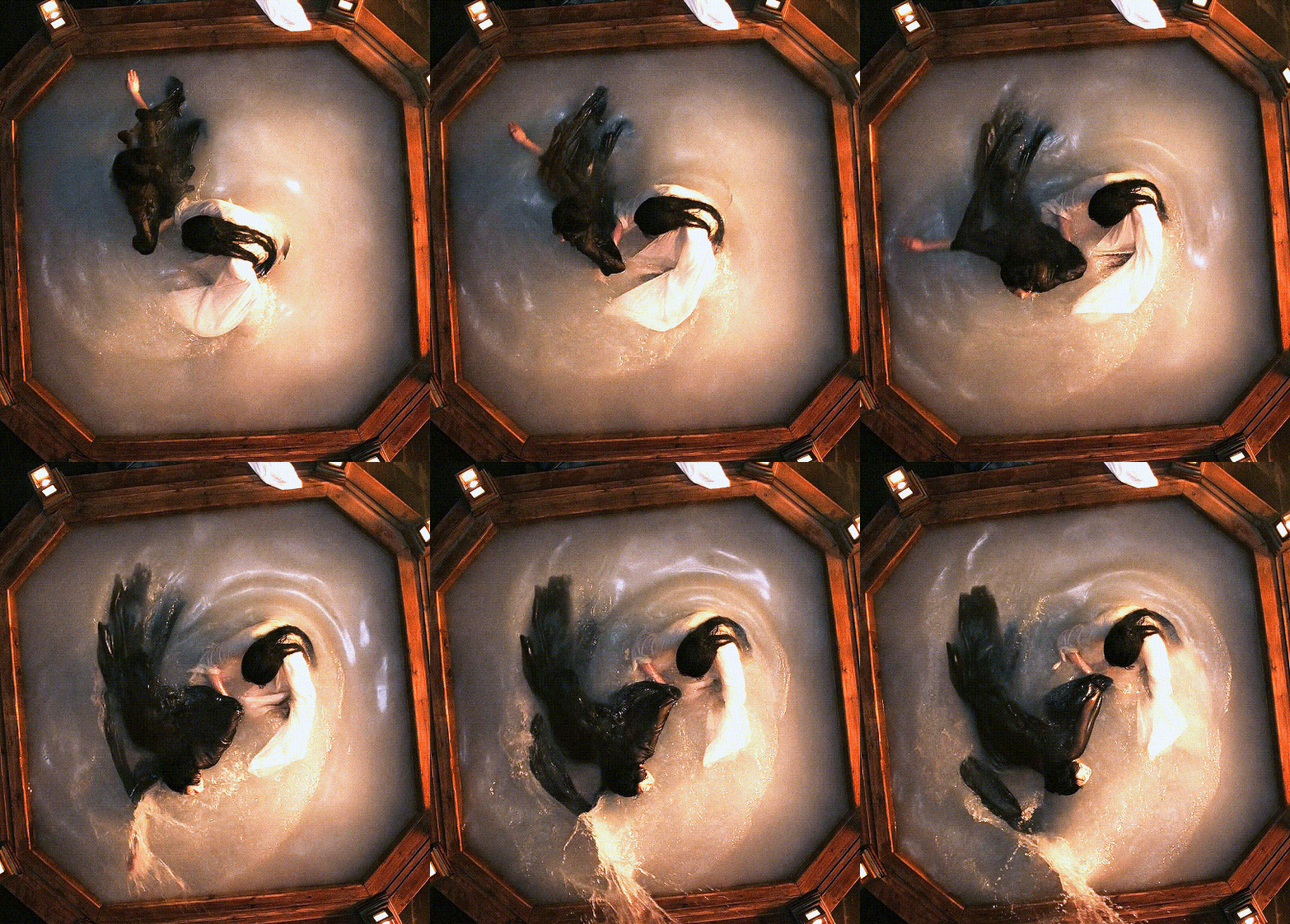
That said, some viewers have pointed out minor drawbacks. A few visual effects—particularly certain snow scenes can appear slightly artificial, and there are moments where filters feel a bit heavy-handed. These criticisms are valid, but they don’t significantly detract from the overall experience. The production remains visually cohesive, with a strong aesthetic identity that gives the drama its own distinct mood.
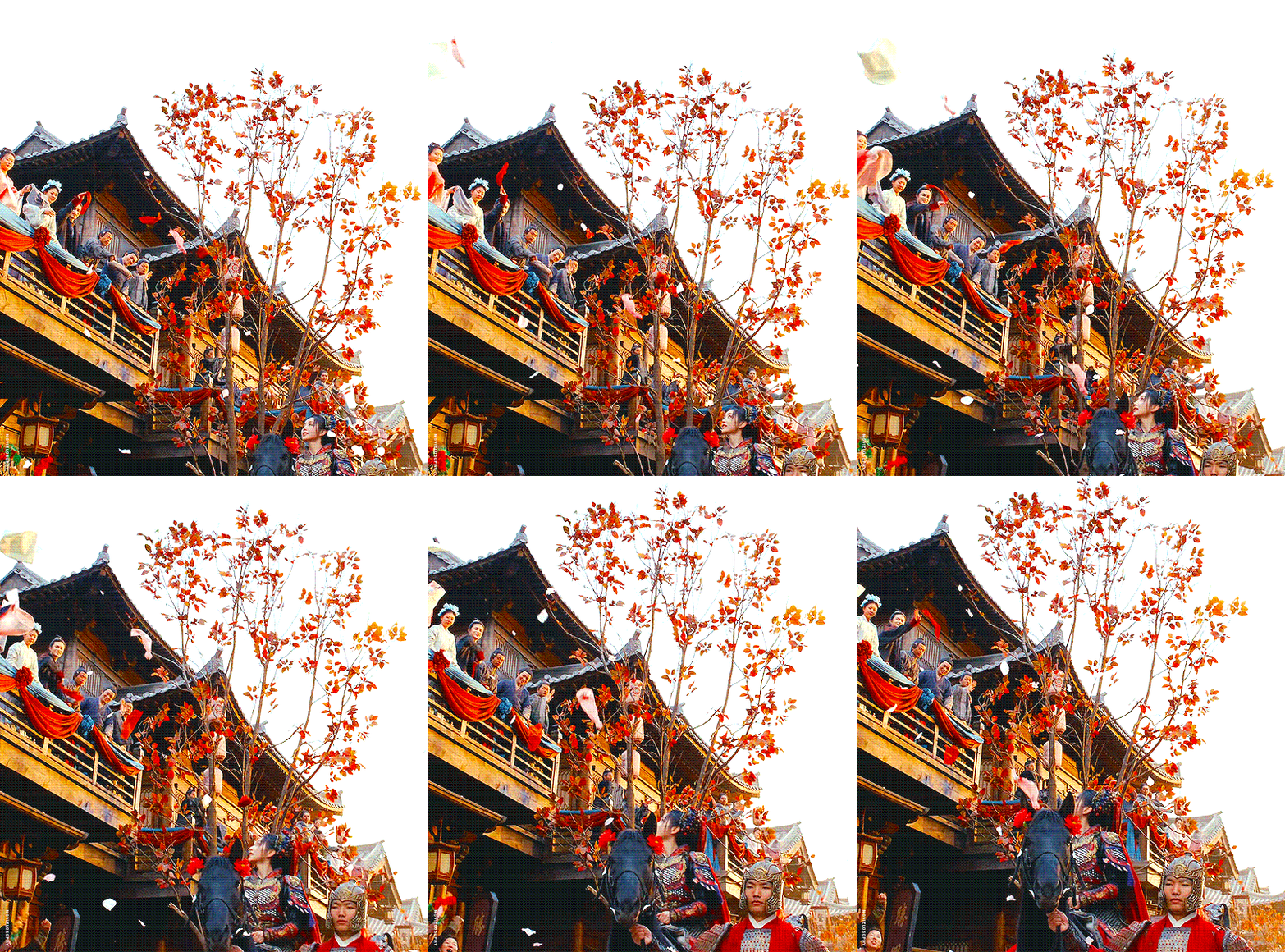
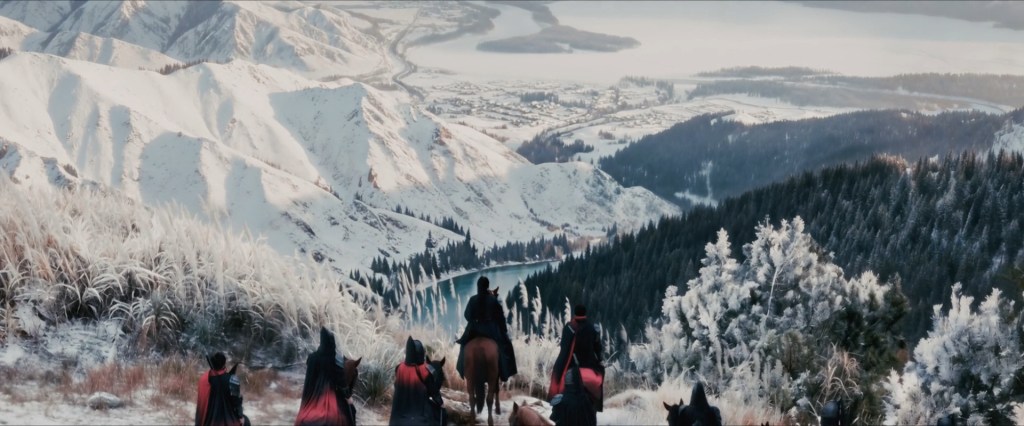
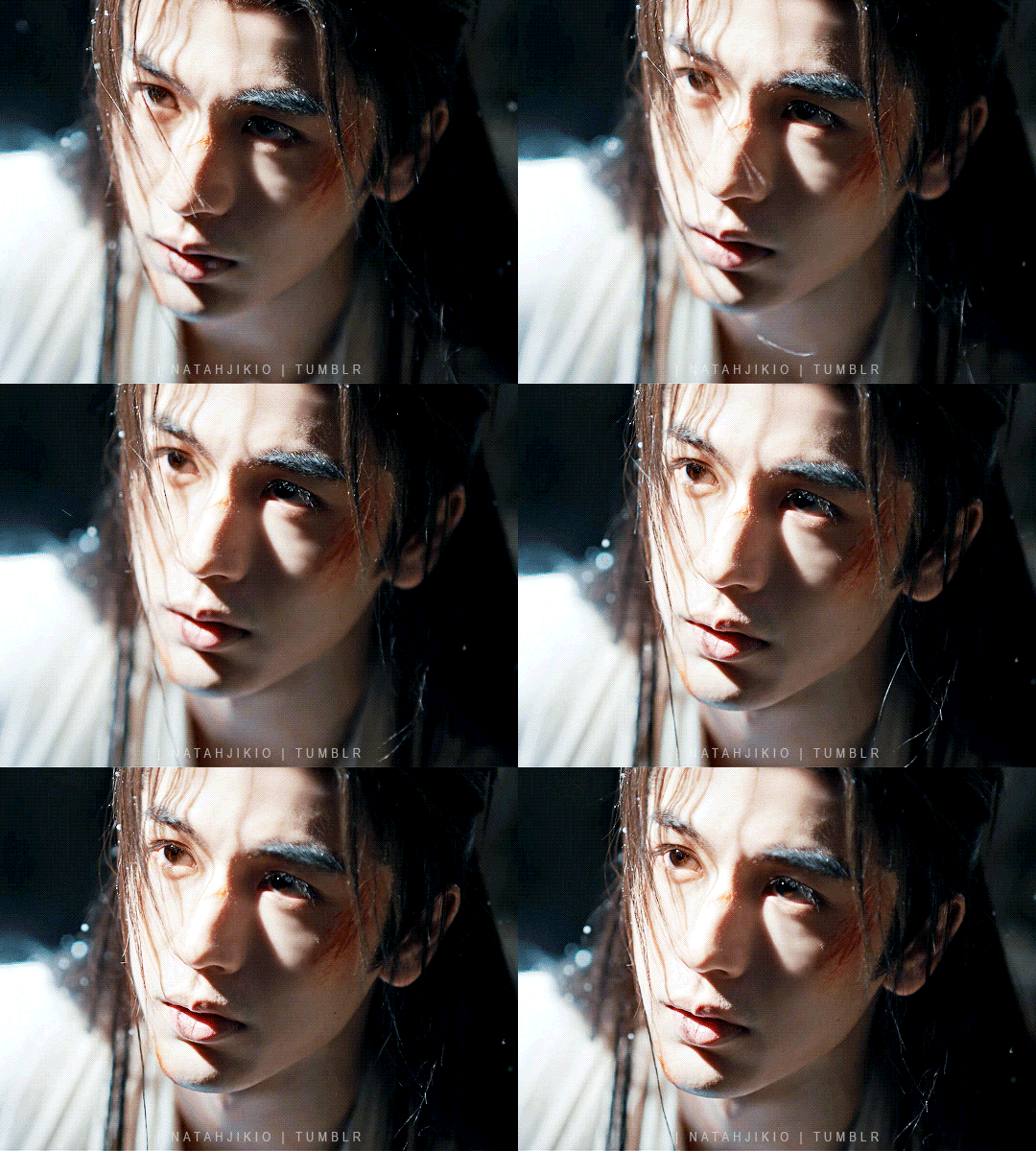
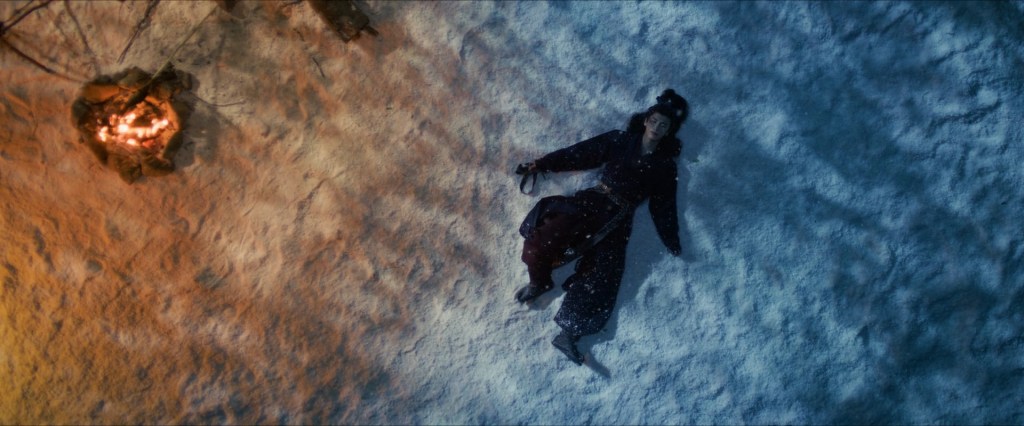
Zeng Qingjie proves once again why he is considered one of the more compelling directors in costume dramas today. He understands how to draw audiences in, not just through spectacle, but through detail, restraint, and emotional nuance.
The Tropes in Pursuit of Jade: Yes, They’re All Here. Yes, They Work.
Look, Pursuit of Jade is not reinventing the historical romance genre. It knows exactly what it is, and it wears its tropes with confidence. If you come to this drama expecting genre-defying innovation, you may be disappointed. If you come knowing that you are about to watch a very skilled team execute beloved conventions with exceptional care and chemistry, you are going to have an excellent time.
The tropes you’ll find here are: Love after marriage, Noble in Disguise, Physically Strong Female Lead, Female Lead Saves Male Lead, Marriage of Convenience, Slow Burn, Yearning, Separation Arc, Battlefield Reunion, Revenge for Family Massacre, Court Conspiracy, Found Family.
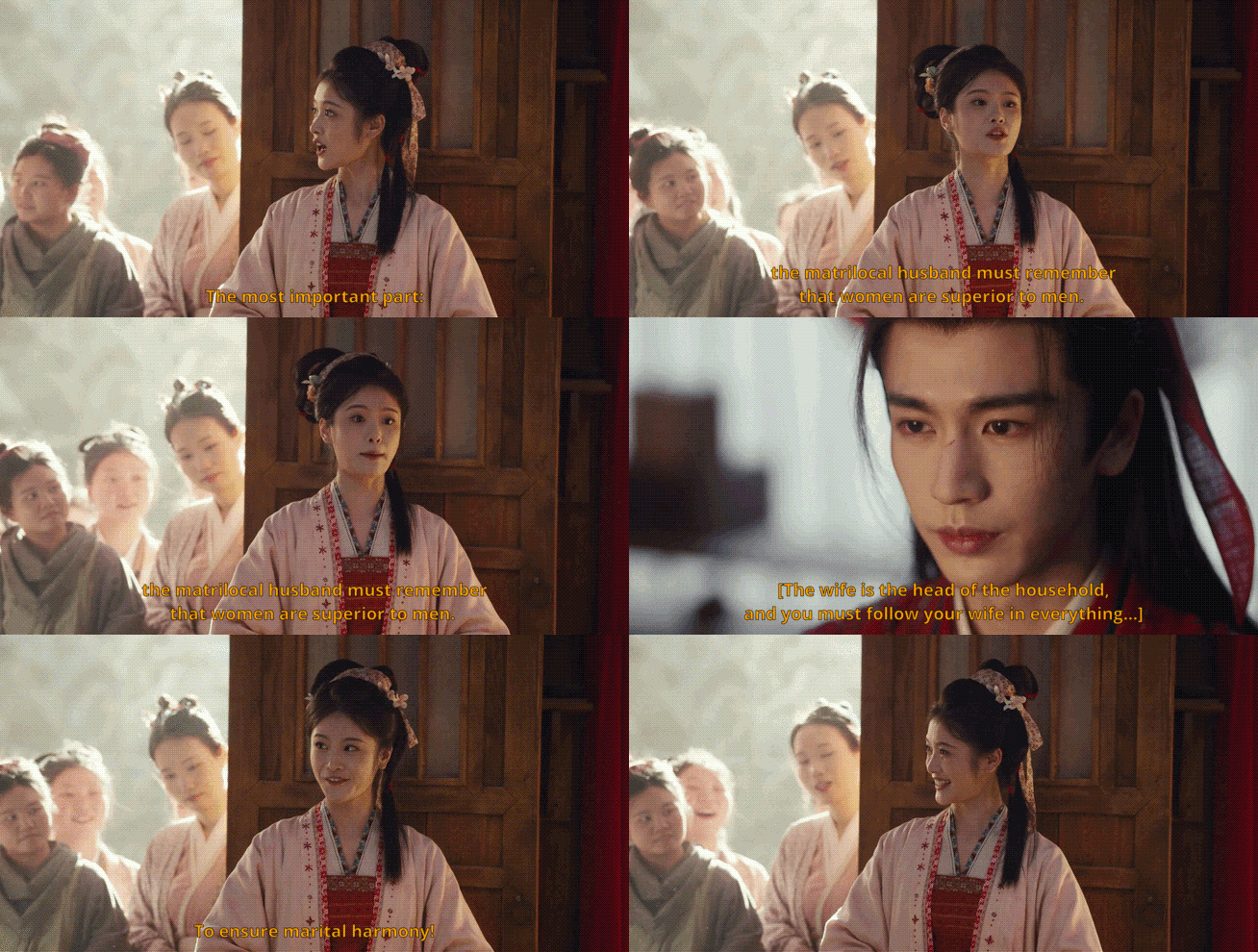
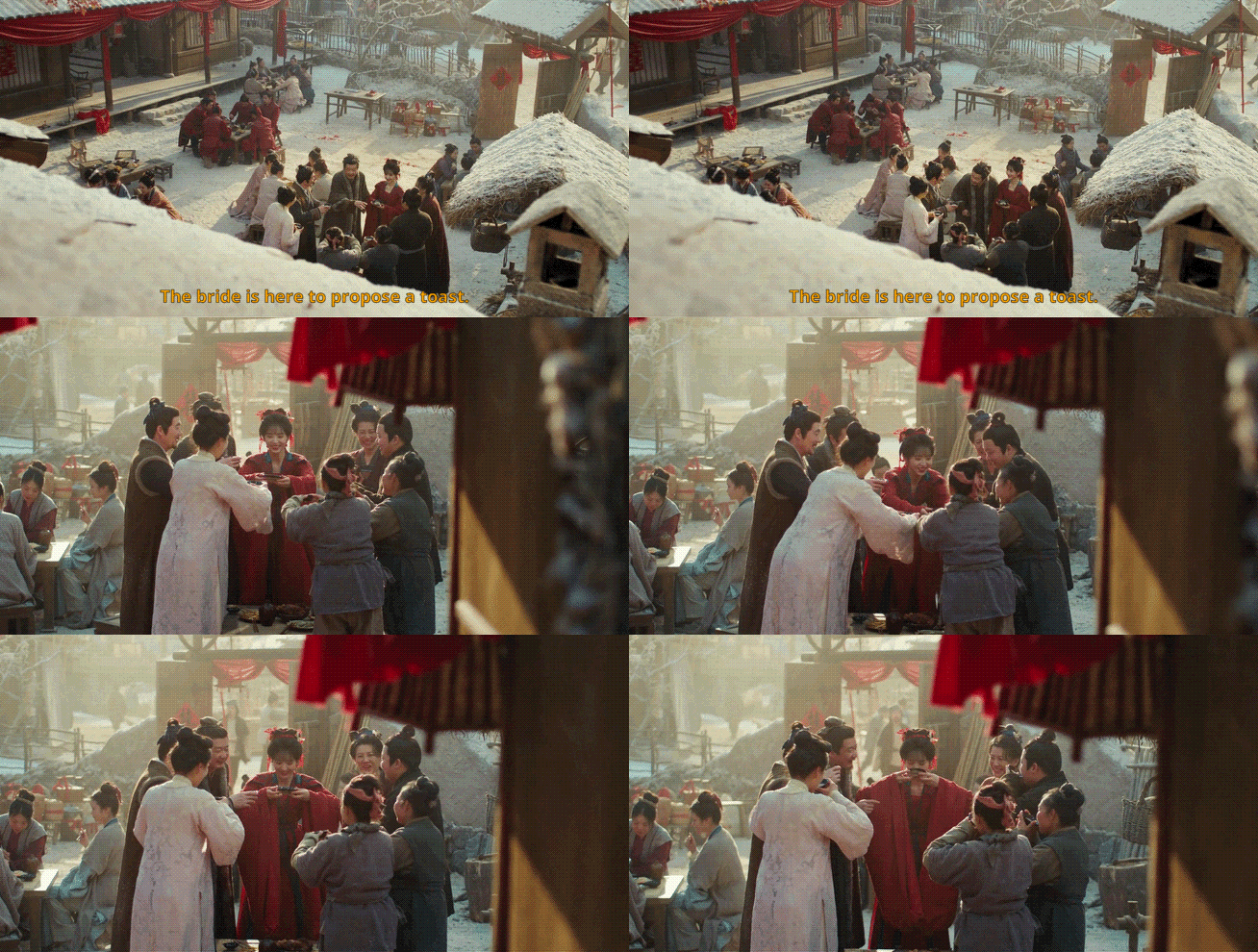
The fake-marriage-to-real-love pipeline is handled with particular care. Rather than a sudden declaration that short-circuits weeks of tension, the drama lets the love develop through sustained shared experience: protecting each other, learning each other’s pain, choosing each other again and again before either of them has the language for what that means. It is deeply satisfying, and it is why when the angst comes, it hits so hard.
Beyond the Romance: How Pursuit of Jade Handles War, Loss, and Grief
Beneath its romance and comedy, Pursuit of Jade is a story forged in violence and its aftermath. Xie Zheng’s journey begins with loss—a young boy forced to grow up after his parents’ lives were claimed, both directly and indirectly, by war. The political causes behind their deaths, the forces that ordered it, the people who carried it out, and the survivors left to rebuild themselves from the wreckage is the spine of the plot. And the drama never lets you forget what it cost.
The villain Sui Yuanqing is a psychopath who ordered the slaughter of an entire town and the brutalisation of its women. The drama does not softpedal this. The reviewers who pointed out the disturbing trend of romanticising this character along with Qi Min, was absolutely right to name it. Pursuit of Jade earns its dark moments by treating them seriously.
The human cost of war appears not just in battles but in the smaller losses: a general having to carry the burden of infamy for seventeen years for a crime he did not commit; a father who spent his life in hiding, unable to protect his daughter; a woman who watched everything burn and then had to carry on. These peripheral griefs are what elevate the drama above pure genre exercise. Every character, no matter how briefly drawn, has a life that was disrupted by someone else’s ambition.
Pursuit of Jade OST: A Playlist Worth Its Own Listening Session
I believe a great OST can truly elevate the drama-watching experience. The emotions you feel as the story unfolds—the moments of romance, tension, and action are all amplified by a powerful soundtrack. It’s an essential ingredient in the recipe for a hit drama.
Pursuit of Jade boasts an elite lineup of singers for its OST, including the legendary JJ Lin, the “OST queen” Zhang Bichen, Yisa Yu, and more. I’m sharing a playlist below so you can immerse yourself in the beauty of these songs.
Pursuit of Jade is not a perfect drama. Its war sequences are a bit less grand than the novel promises. Some of the pacing in the last arc is uneven. But it is a drama with an enormous, beating heart—one that genuinely cares about its characters, delivers on its romance, and wraps a meaningful meditation on grief and belonging inside forty very watchable episodes. Fan Changyu is the kind of female lead who makes you want to stand up and applaud. Tian Xiwei makes her real. And the pairing with Zhang Linghe is one of the most satisfying C-drama CPs recently.
Whether you are a longtime C-drama fan or this is your first foray into the genre, Pursuit of Jade is an excellent starting point.
Your turn — have you watched Pursuit of Jade?
Were you Team Lin’an Arc forever? Did the war sequences and action scenes deliver for you, or did you wish for bigger battles? Drop your thoughts in the comments below. Also, if you’ve read the novel, please flag it. Share this post with the drama friend who still hasn’t started it. They are out of excuses.





 The Drama Dojo
Hey everyone! I hope we can chat about dramas, share drama recommendations, language learning and more on here. So, comment away!